






 LATEST ART BOOKS
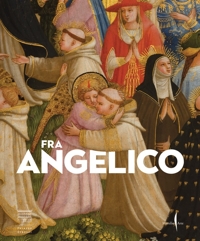
Beato Angelico. Ediz. a colori
Firenze, Palazzo Strozzi, September 26, 2025 - January 25, 2026.
Edited by Carl Brandon Strehlke.
Testi di Stefano Casciu, Marco Mozzo, Angelo Tartuferi.
Venezia, 2025; hardback, pp. 440, 300 col. ill., cm 25,2x29,8.
cover price: € 80.00
|
Books included in the offer:
Beato Angelico. Ediz. a colori
Firenze, Palazzo Strozzi, September 26, 2025 - January 25, 2026.
Edited by Carl Brandon Strehlke.
Testi di Stefano Casciu, Marco Mozzo, Angelo Tartuferi.
Venezia, 2025; hardback, pp. 440, 300 col. ill., cm 25,2x29,8.
FREE (cover price: € 80.00)
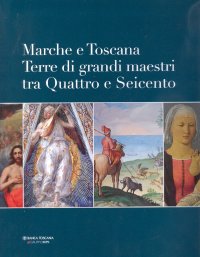
Marche e Toscana. Terre di grandi maestri tra Quattro e Seicento
Ospedaletto, 2007; bound, pp. 320, col. ill., col. plates, cm 25,5x29.
FREE (cover price: € 77.00)
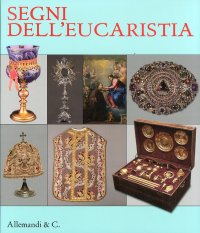
Segni dell'Eucarestia
Edited by M. Luisa Polichetti.
Ancona, Osimo, Loreto Jesi, Senigallia, Fabriano e Metelica, 23 giugno - 31 ottobre 2011.
Torino, 2011; paperback, pp. 221, b/w and col. ill., cm 24x28.
FREE (cover price: € 32.00)
La peinture dans le duché de Savoie à la fin du Moyen Age (1416-1536)
Frédéric Elsig
Silvana Editoriale
French Text.
Cinisello Balsamo, 2017; paperback, pp. 150, b/w and col. ill., cm 17x24.
(Arte).
series: Arte
ISBN: 88-366-3422-2 - EAN13: 9788836634224
Subject: Essays (Art or Architecture),Painting
Period: 1400-1800 (XV-XVIII) Renaissance
Places: Europe
Extra: French Art and Culture
Languages: 
Weight: 0.5 kg
Ce vaste territoire, qui s'étend du lac de Neuchâtel à la Méditerranée, comprend deux grandes zones culturelles, divisées par une portion des Alpes : d'un côté, le Pays de Vaud, Genève, la Savoie et le comté de Nice, où l'on parle des dialectes franco-provençaux ; de l'autre, le Val d'Aoste, le Piémont et le Marquisat de Saluces, tournés davantage vers la péninsule italienne. Il constitue ainsi un formidable laboratoire permettant d'analyser les mécanismes propres à la géographie artistique.
L'ouvrage se donne deux objectifs : d'une part, établir un état des connaissances tout en ouvrant de nouvelles pistes de recherche sur les oeuvres et sur des peintres tels que Jean Bapteur, Hans Witz, Antoine de Lonhy ou encore Giovanni Martino Spanzotti ; d'autre part, sur un plan plus théorique, expliciter quelques principes qui déterminent la dynamique des échanges culturels à la fin du Moyen Age.

Dalle Alpi Giulie al mare. Viaggio nella biodiversità. From the Julian Alps to the Adriatic

Santa Maria dell'Anima. Dinamiche Sociali e Arte di una Comunità Straniera a Roma tra '400 e '600
