






 LATEST ART BOOKS
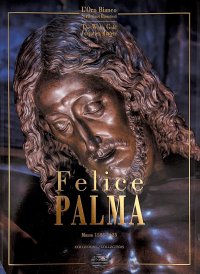
Felice Palma. Massa 1583-1625. Collezione / Collection.
Texts by Claudio Casini, Andrei Cristina, Ciarlo Nicola, Federici Fabrizio and Sara Ragni.
Italian and English Text.
Pontedera, 2024; bound in a case, pp. 289, b/w and col. ill., b/w and col. plates, cm 24,5x34.
(L'Oro Bianco. Straordinari Dimenticati. The White Gold Forgotten Masters).
cover price: € 160.00
|
Books included in the offer:
Felice Palma. Massa 1583-1625. Collezione / Collection.
Texts by Claudio Casini, Andrei Cristina, Ciarlo Nicola, Federici Fabrizio and Sara Ragni.
Italian and English Text.
Pontedera, 2024; bound in a case, pp. 289, b/w and col. ill., b/w and col. plates, cm 24,5x34.
(L'Oro Bianco. Straordinari Dimenticati. The White Gold Forgotten Masters).
FREE (cover price: € 160.00)
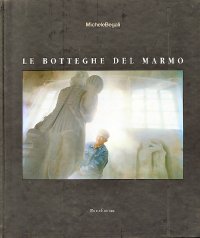
Le botteghe del marmo
Italian and English Text.
Ospedaletto, 1992; bound, pp. 153, 10 b/w ill., 60 col. ill., cm 24x29.
(Immagine).
FREE (cover price: € 34.49)
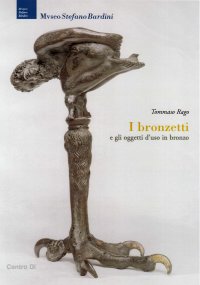
Museo Stefano Bardini. I Bronzetti e gli Oggetti d'Uso in Bronzo
Edited by Nesi A.
Firenze, 2009; paperback, pp. 191, 102 b/w ill., 7 col. ill., cm 17x24,5.
(Museo Stefano Bardini).
FREE (cover price: € 30.00)
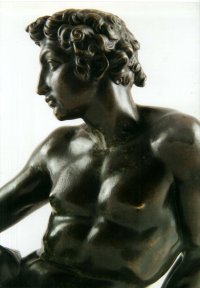
Bronzetti e Rilievi dal XV al XVIII Secolo
Bologna, 2015; 2 vols., bound in a case, pp. 729, ill., col. plates, cm 21,5x30,5.
FREE (cover price: € 90.00)
The Arca di Sant'Agostino and the Hermits of St. Augustine in Fourteenth-Century Pavia
Dale Sharon
Harvey Miller Publishers
English Text.
London, 2015; hardback, pp. 203, 43 b/w ill., cm 22x28.
(HMSAH. 74).
series: HMSAH
ISBN: 1-909400-01-7 - EAN13: 9781909400016
Subject: Religious Architecture/Art
Period: 1000-1400 (XII-XIV) Middle Ages
Languages: 
Weight: 0.37 kg
Both orders claimed a founding by St. Augustine himself, whose relics were somewhere in the church - although their precise location was unknown. The unprecedented division of the church and the ensuing conflict between the Hermits and the Canons were embedded in the larger struggle between the forces of universal church and regional state that engulfed the city of Pavia and ultimately much of Italy in the fourteenth century. Both city and church were contested repeatedly among the papacy, the empire, and the Visconti.
This book is a study of the political negotiation between the papacy and the Visconti conducted by the Hermits at San Pietro in Ciel d'Oro in the Trecento - and a related examination of the Arca di Sant'Agostino, the patronage and iconography of which were deeply enmeshed in that larger historical context. This volume argues that the Arca's iconography embraces three seemingly disparate agendas: the Hermits' own claims to St. Augustine, the celebration of Visconti authority in Lombardy, and the promotion of papal temporal power.

Pietro Bellotti Detto Canaletty. Un Vedutista Veneziano nella Francia dell'Ancien Régime

H-BI(M)ON. Heritage. Building Information Modelling/MONitoring. Dalla realtà al modello e ritorno
Conte e Mattarella. Sul palcoscenico e dietro le quinte del Quirinale. Un racconto sulle istituzioni
