






 LATEST ART BOOKS
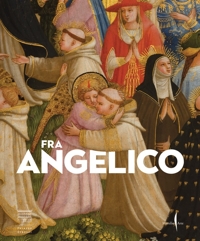
Beato Angelico
Firenze, Palazzo Strozzi, September 26, 2025 - January 25, 2026.
Edited by Carl Brandon Strehlke.
Testi di Stefano Casciu, Marco Mozzo, Angelo Tartuferi.
Venezia, 2025; bound, pp. 440, 300 col. ill., cm 25,2x29,8.
cover price: € 80.00
|
Books included in the offer:
Beato Angelico
Firenze, Palazzo Strozzi, September 26, 2025 - January 25, 2026.
Edited by Carl Brandon Strehlke.
Testi di Stefano Casciu, Marco Mozzo, Angelo Tartuferi.
Venezia, 2025; bound, pp. 440, 300 col. ill., cm 25,2x29,8.
FREE (cover price: € 80.00)
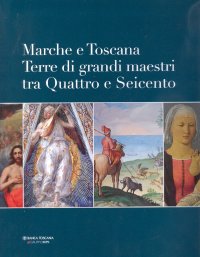
Marche e Toscana. Terre di grandi maestri tra Quattro e Seicento
Ospedaletto, 2007; bound, pp. 320, col. ill., col. plates, cm 25,5x29.
FREE (cover price: € 77.00)
Segni dell'Eucarestia
Edited by M. Luisa Polichetti.
Ancona, Osimo, Loreto Jesi, Senigallia, Fabriano e Metelica, 23 giugno - 31 ottobre 2011.
Torino, 2011; paperback, pp. 221, b/w and col. ill., cm 24x28.
FREE (cover price: € 32.00)

Khajuraho. Apogée sensuel de l'art indien. Temples et sculptures.
Corazza Iago - Béguin Gilles
Five Continents Editions
Photographs by Iago Corazza.
French Text.
Milano, 2017; bound, pp. 284, 280 col. ill., col. plates, cm 26,5x35.
ISBN: 88-7439-777-1 - EAN13: 9788874397778
Subject: Essays (Art or Architecture),Religious Architecture/Art,Sculpture
Period: 0-1000 (0-XI) Ancient World,1000-1400 (XII-XIV) Middle Ages
Extra: Bizantyn Art,Oriental Art and Culture,Religion Art
Languages: 
Weight: 2.605 kg
Situated in the northern Indian state of Madhya Pradesh, Khajur?ho is renowned as much for the elegance of its architecture as for the sensuality of its sculpture. Khajur?ho has become one of the unmissable sights for any traveller to India and owes its international reputation to the lavishness of its numerous Hindu shrines. Formerly an important political and religious centre, it is thought to have contained up to ninety-five temples, as the many ruins concealed under otherwise anonymous hillocks scattered throughout the valley attest. Only twenty-five survive. The earliest mention of Khajur?ho dates from the seventh century. After the collapse of the Candella kingdom, the site experienced almost four centuries of oblivion and the once proud city-state turned into a sleepy village nestling in what had become an arid basin for several months in the year. British hunters rediscovered it quite by chance at the beginning of the nineteenth century. Since then the area has undergone several phases of restoration, as befits one of the leading sites of the world's cultural heritage. The highly unusual nature of its temple depictions has given this area a somewhat "scandalous" reputation, unleashing, over the years, interpretations of all kinds.


Santa Maria dell'Anima. Dinamiche Sociali e Arte di una Comunità Straniera a Roma tra '400 e '600
