




 LATEST ART BOOKS
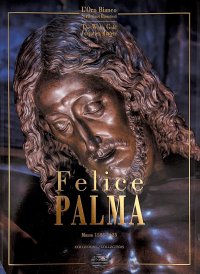
Felice Palma. Massa 1583-1625. Collezione / Collection.
Texts by Claudio Casini, Andrei Cristina, Ciarlo Nicola, Federici Fabrizio and Sara Ragni.
Italian and English Text.
Pontedera, 2024; bound in a case, pp. 289, b/w and col. ill., b/w and col. plates, cm 24,5x34.
(L'Oro Bianco. Straordinari Dimenticati. The White Gold Forgotten Masters).
cover price: € 160.00
|
Books included in the offer:
Felice Palma. Massa 1583-1625. Collezione / Collection.
Texts by Claudio Casini, Andrei Cristina, Ciarlo Nicola, Federici Fabrizio and Sara Ragni.
Italian and English Text.
Pontedera, 2024; bound in a case, pp. 289, b/w and col. ill., b/w and col. plates, cm 24,5x34.
(L'Oro Bianco. Straordinari Dimenticati. The White Gold Forgotten Masters).
FREE (cover price: € 160.00)
Le botteghe del marmo
Italian and English Text.
Ospedaletto, 1992; bound, pp. 153, 10 b/w ill., 60 col. ill., cm 24x29.
(Immagine).
FREE (cover price: € 34.49)

Museo Stefano Bardini. I Bronzetti e gli Oggetti d'Uso in Bronzo
Edited by Nesi A.
Firenze, 2009; paperback, pp. 191, 102 b/w ill., 7 col. ill., cm 17x24,5.
(Museo Stefano Bardini).
FREE (cover price: € 30.00)

Bronzetti e Rilievi dal XV al XVIII Secolo
Bologna, 2015; 2 vols., bound in a case, pp. 729, ill., col. plates, cm 21,5x30,5.
FREE (cover price: € 90.00)

Futurismo Postale. Collezione Echaurren Salaris. Futurist Mail. Echaurren Salaris Collection
Claudia Salaris
Silvana Editoriale
Italian and English Text.
Cinisello Balsamo, 2020; paperback, pp. 472, 897 col. ill.
ISBN: 88-366-4479-1 - EAN13: 9788836644797
Subject: Collections,Essays (Art or Architecture),Graphic Arts (Prints, Drawings, Engravings, Miniatures),Numismatics
Period: 1800-1960 (XIX-XX) Modern Period,1960- Contemporary Period
Languages: 

Weight: 0.65 kg
Almost 800 pieces from this rich and important collection are presented here, including postcards designed by artists, messages of propaganda and satire or picture postcards and letters with their envelopes, headed notepaper and advertisements, postage and poster stamps, making this book a fundamental means of investigation of the multifaceted world of Futurism.
In pursuit of its ambitious dream of a 'Futurist reconstruction of the universe' the movement founded by Filippo Tommaso Marinetti did not limit itself to utilizing the postal network to send books, magazines and proclamations all over the world and thus spread its ideas far and wide, but created a style of postal communication that was new in both its conception and its presentation, based on synthesis, laconicism and a prearranged and abbreviated symbology.