






 LATEST ART BOOKS
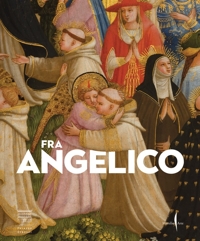
Beato Angelico. Ediz. a colori
Firenze, Palazzo Strozzi, September 26, 2025 - January 25, 2026.
Edited by Carl Brandon Strehlke.
Testi di Stefano Casciu, Marco Mozzo, Angelo Tartuferi.
Venezia, 2025; hardback, pp. 440, 300 col. ill., cm 25,2x29,8.
cover price: € 80.00
|
Books included in the offer:
Beato Angelico. Ediz. a colori
Firenze, Palazzo Strozzi, September 26, 2025 - January 25, 2026.
Edited by Carl Brandon Strehlke.
Testi di Stefano Casciu, Marco Mozzo, Angelo Tartuferi.
Venezia, 2025; hardback, pp. 440, 300 col. ill., cm 25,2x29,8.
FREE (cover price: € 80.00)
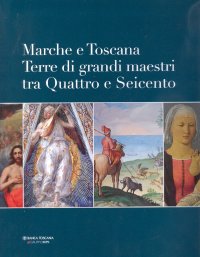
Marche e Toscana. Terre di grandi maestri tra Quattro e Seicento
Ospedaletto, 2007; bound, pp. 320, col. ill., col. plates, cm 25,5x29.
FREE (cover price: € 77.00)
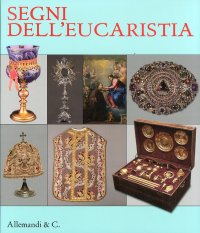
Segni dell'Eucarestia
Edited by M. Luisa Polichetti.
Ancona, Osimo, Loreto Jesi, Senigallia, Fabriano e Metelica, 23 giugno - 31 ottobre 2011.
Torino, 2011; paperback, pp. 221, b/w and col. ill., cm 24x28.
FREE (cover price: € 32.00)
Emilio Vedova. Scultore. Sculptor
Celant Germano
Skira
Venezia, Fondazione Vedova, 5 giugno - 19 settembre 2010.
Italian and English Text.
Milano, 2010; paperback, pp. 240, 177 b/w ill., 323 col. ill., cm 24x28.
(Arte Moderna. Cataloghi).
series: Arte Moderna. Cataloghi
ISBN: 88-572-0696-3 - EAN13: 9788857206967
Subject: Collections,Essays (Art or Architecture),Monographs (Sculpture and Decorative Arts),Sculpture
Period: 1800-1960 (XIX-XX) Modern Period,1960- Contemporary Period
Languages: 

Weight: 1.702 kg
Emilio Vedova's artistic career began in Venice in the mid-1930s. He immediately felt the deep allure of grand Venetian painting and sculpture and, guided by the restless agitation and dynamic mobility of the baroque, was soon plunged into total and extreme three-dimensional involvement. The Emilio Vedova Scultore work originates precisely from his feeling of being a living and breathing part of the beloved spaces he encountered along his way, inexhaustible sources of stimuli and incitement, which he transformed into volumetric works of sculpture, architecture, opera and theatre.

Dalle Alpi Giulie al mare. Viaggio nella biodiversità. From the Julian Alps to the Adriatic

Santa Maria dell'Anima. Dinamiche Sociali e Arte di una Comunità Straniera a Roma tra '400 e '600
