






 LATEST ART BOOKS
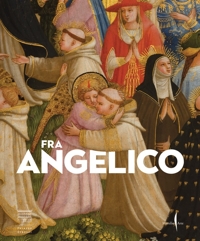
Beato Angelico
Firenze, Palazzo Strozzi, September 26, 2025 - January 25, 2026.
Edited by Carl Brandon Strehlke.
Testi di Stefano Casciu, Marco Mozzo, Angelo Tartuferi.
Venezia, 2025; bound, pp. 456, 300 col. ill., cm 24x29.
cover price: € 80.00
|
Books included in the offer:
Beato Angelico
Firenze, Palazzo Strozzi, September 26, 2025 - January 25, 2026.
Edited by Carl Brandon Strehlke.
Testi di Stefano Casciu, Marco Mozzo, Angelo Tartuferi.
Venezia, 2025; bound, pp. 456, 300 col. ill., cm 24x29.
FREE (cover price: € 80.00)
Marche e Toscana. Terre di grandi maestri tra Quattro e Seicento
Ospedaletto, 2007; bound, pp. 320, col. ill., col. plates, cm 25,5x29.
FREE (cover price: € 77.00)

Segni dell'Eucarestia
Edited by M. Luisa Polichetti.
Ancona, Osimo, Loreto Jesi, Senigallia, Fabriano e Metelica, 23 giugno - 31 ottobre 2011.
Torino, 2011; paperback, pp. 221, b/w and col. ill., cm 24x28.
FREE (cover price: € 32.00)

Dressing Renaissance Florence. Families, Fortunes, and Fine Clothing
Carole Collier Frick
Johns Hopkins University Press
English Text.
Baltimore, 2005; paperback, pp. 364, cm 15,5x23.
ISBN: 0-8018-8264-8 - EAN13: 9780801882647
Subject: Essays (Art or Architecture),Historical Essays,Textiles (Tapestries, Carpets, Embroyderies)
Languages: 
Weight: 0.54 kg
Frick begins with a detailed account of the industry itself-its organization within the guild structure of the city, the specialized work done by male and female workers of differing social status, the materials used and their sources, and the garments and accessories produced. She then shows how the driving force behind the growth of the industry was the elite families of Florence, who, in order to maintain their social standing and family honor, made continuous purchases of clothing-whether for everyday use or special occasions-for their families and households. And she concludes with an analysis of the clothes themselves: what pieces made up an outfit; how outfits differed for men, women, and children; and what colors, fabrics, and design elements were popular. Further, and perhaps more basically, she asks how we know what we know about Renaissance fashion and looks to both Florence's sumptuary laws, which defined what could be worn on the streets, and the depiction of contemporary clothing in Florentine art for the answer.
For Florence's elite, appearance and display were intimately bound up with self-identity. Dressing Renaissance Florence enables us to better understand the social and cultural milieu of Renaissance Italy.

Pietro Bellotti Detto Canaletty. Un Vedutista Veneziano nella Francia dell'Ancien Régime
Baia grande. La pialassa Baiona ultima frontiera per una valle salmastra

Al Beneficio delle Arti Gentili. L'Accademia Linguistica e l'Album di Orazio di Negro
Tom e la sua Africa. Memorie di Antonio Canzian nelle Colonie africane dal 1937 al 1944
