






 LATEST ART BOOKS
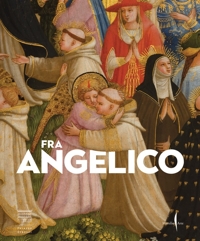
Beato Angelico. Ediz. a colori
Firenze, Palazzo Strozzi, September 26, 2025 - January 25, 2026.
Edited by Carl Brandon Strehlke.
Testi di Stefano Casciu, Marco Mozzo, Angelo Tartuferi.
Venezia, 2025; hardback, pp. 440, 300 col. ill., cm 25,2x29,8.
cover price: € 80.00
|
Books included in the offer:
Beato Angelico. Ediz. a colori
Firenze, Palazzo Strozzi, September 26, 2025 - January 25, 2026.
Edited by Carl Brandon Strehlke.
Testi di Stefano Casciu, Marco Mozzo, Angelo Tartuferi.
Venezia, 2025; hardback, pp. 440, 300 col. ill., cm 25,2x29,8.
FREE (cover price: € 80.00)
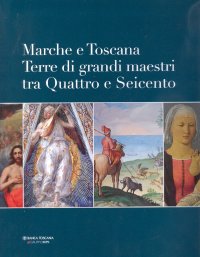
Marche e Toscana. Terre di grandi maestri tra Quattro e Seicento
Ospedaletto, 2007; bound, pp. 320, col. ill., col. plates, cm 25,5x29.
FREE (cover price: € 77.00)
Segni dell'Eucarestia
Edited by M. Luisa Polichetti.
Ancona, Osimo, Loreto Jesi, Senigallia, Fabriano e Metelica, 23 giugno - 31 ottobre 2011.
Torino, 2011; paperback, pp. 221, b/w and col. ill., cm 24x28.
FREE (cover price: € 32.00)

Village. One land two systems and platform paradise
Bortolotti Maurizio. Shoshan Malkit
Damiani
English Text.
Bologna, 2014; paperback, pp. 256, cm 17x23.
(Arte Contemporanea).
series: Arte Contemporanea
ISBN: 88-6208-254-1 - EAN13: 9788862082549
Subject: Architects and their Practices,Essays (Art or Architecture)
Languages: 
Weight: 0.5 kg
In summer of 2008, a group of over 20 artists and architects gathered from over the world and submerged themselves in the village's daily life. They slept on the free beds the villagers could offer for a period between a week and three weeks. In this time the artists, the architects and the villagers produced wonderful projects, shared amazing conversations, and arguments. They reflected on the profession, on the context, and on life. This extreme condition forced them to stretch the boundaries of their professions and forced them to be creative in so many ways: architects practiced activism, villagers made art works, artists made architecture and the other way around, and so much more.

Dalle Alpi Giulie al mare. Viaggio nella biodiversità. From the Julian Alps to the Adriatic

Santa Maria dell'Anima. Dinamiche Sociali e Arte di una Comunità Straniera a Roma tra '400 e '600
