






 LATEST ART BOOKS
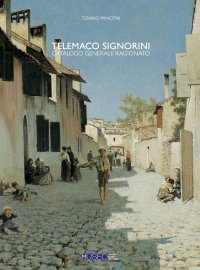
Telemaco Signorini. Catalogo generale ragionato delle opere
Pistoia, 2019; bound, pp. 810, 1500 b/w and col. ill., cm 21,5x29,5.
cover price: € 240.00
|
Books included in the offer:
Telemaco Signorini. Catalogo generale ragionato delle opere
Pistoia, 2019; bound, pp. 810, 1500 b/w and col. ill., cm 21,5x29,5.
FREE (cover price: € 240.00)
Il Pittore Luigi Nono (1850-1918). Catalogo Ragionato dei Dipinti e dei Disegni. La Vita, i Documenti, le Opere
Torino, 2006; 2 vols., bound in a case, pp. 576, 862 b/w ill., 117 col. plates, cm 25x34.
(Varia).
FREE (cover price: € 250.00)

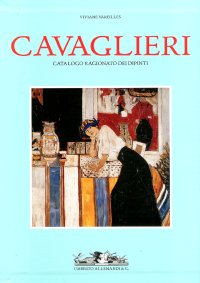
Cavaglieri. Catalogo Ragionato dei Dipinti: la Vita e le Opere. Catalogo delle Opere
Torino, 2006; 2 vols., bound in a case, pp. 608, b/w ill., 125 col. ill., 125 col. plates, cm 25x35.
(Archivi dell'Ottocento).
FREE (cover price: € 250.00)
Bernhard Rüdiger. Forty-Nine Exhibitions
Bernhard Rüdiger
Mousse Publishing
English and French Text.
Milano, 2022; bound, pp. 560, col. ill., cm 23,5x16.
ISBN: 88-6749-488-0 - EAN13: 9788867494880
Subject: Essays (Art or Architecture)
Period: 1960- Contemporary Period
Languages: 

Weight: 0 kg
Texts and interviews with the artist accompany this complete catalog at different periods, published in their original language and translated into French and English.
The introductory essay to Forty-Nine Exhibitions was written by François Aubart in the preparatory stages of Rüdiger's monographic exhibition, Chambre double, at Les Tanneries - Centre d'art contemporain in Amilly in 2021. It throws light on the way Rüdiger was influenced by the discovery-in Milan during the 1980s- of Luciano Fabro's teaching and Lucio Fontana's spatial work, and on his investment in a collective with intense collaborations, and analyzes the way those attitudes infused the multiple forms of his work.


Santa Maria dell'Anima. Dinamiche Sociali e Arte di una Comunità Straniera a Roma tra '400 e '600
