






 LATEST ART BOOKS
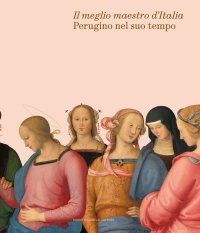
Perugino e il Suo Tempo. "Il Meglio Maestro d'Italia"
Perugia, Galleria Nazionale dell'Umbria, March 4 - June 11, 2023.
Edited by Picchiarelli V. and Pierini M.
Milano, 2023; bound, pp. 592, 650 col. ill., cm 24x21.
cover price: € 40.00
|
Books included in the offer:
Perugino e il Suo Tempo. "Il Meglio Maestro d'Italia"
Perugia, Galleria Nazionale dell'Umbria, March 4 - June 11, 2023.
Edited by Picchiarelli V. and Pierini M.
Milano, 2023; bound, pp. 592, 650 col. ill., cm 24x21.
FREE (cover price: € 40.00)
Michele Rocca e la pittura rococo a Roma
Brescia, 2004; bound in a case, pp. 310, b/w and col. ill., tavv., cm 24,5x31,5.
FREE (cover price: € 180.00)
Cucinare per gli amici
Translation by S. Mancuso.
Milano, 2012; clothbound, pp. 269, ill., cm 21x26,5.
(Gli Illustrati).
FREE (cover price: € 29.90)
A Renaissance Baron and his Possessions. Paolo Giordano I Orsini, Duke of Bracciano (1541-1585)
Barbara Furlotti
Brepols Publishers
Italian and English Text.
Turnhout, 2012; paperback, pp. 319, ill., cm 17x24.
ISBN: 2-503-53474-0 - EAN13: 9782503534749
Subject: Essays (Art or Architecture)
Languages: 

Weight: 0.8 kg
This book explores the subject of baronial identity and material culture in sixteenth-century Rome by focusing on the Duke of Bracciano, Paolo Giordano I Orsini, his court, and his possessions. It is an investigation into the way in which a Roman baron constructed and disseminated his sense of self through the objects he owned, the events he organized, and the relationships he forged by means of material goods and works of art. The analysis of the use of artistic and luxury goods in the form of pawns, rentals, loans, gifts, and thefts shows how aristocratic patrimonies were subject to continual mobility and served a multiplicity of goals. Supported by a wealth of documentation, mostly unpublished, including inventories, correspondence and account books, this study provides a new dynamic insight into a Renaissance aristocratic court.

Pietro Bellotti Detto Canaletty. Un Vedutista Veneziano nella Francia dell'Ancien Régime
Officina Zanon 1946-2026. 80 anni di sapere artigiano-80 Years of craft knowledge. Ediz. bilingue

Conte e Mattarella. Sul palcoscenico e dietro le quinte del Quirinale. Un racconto sulle istituzioni
