






 LATEST ART BOOKS
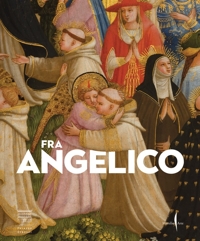
Beato Angelico
Firenze, Palazzo Strozzi, September 26, 2025 - January 25, 2026.
Edited by Carl Brandon Strehlke.
Testi di Stefano Casciu, Marco Mozzo, Angelo Tartuferi.
Venezia, 2025; bound, pp. 440, 300 col. ill., cm 25,2x29,8.
cover price: € 80.00
|
Books included in the offer:
Beato Angelico
Firenze, Palazzo Strozzi, September 26, 2025 - January 25, 2026.
Edited by Carl Brandon Strehlke.
Testi di Stefano Casciu, Marco Mozzo, Angelo Tartuferi.
Venezia, 2025; bound, pp. 440, 300 col. ill., cm 25,2x29,8.
FREE (cover price: € 80.00)
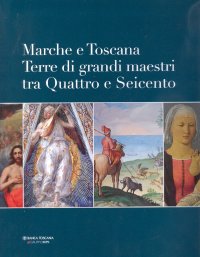
Marche e Toscana. Terre di grandi maestri tra Quattro e Seicento
Ospedaletto, 2007; bound, pp. 320, col. ill., col. plates, cm 25,5x29.
FREE (cover price: € 77.00)
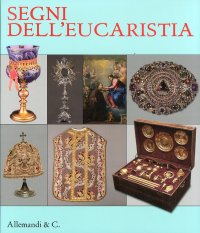
Segni dell'Eucarestia
Edited by M. Luisa Polichetti.
Ancona, Osimo, Loreto Jesi, Senigallia, Fabriano e Metelica, 23 giugno - 31 ottobre 2011.
Torino, 2011; paperback, pp. 221, b/w and col. ill., cm 24x28.
FREE (cover price: € 32.00)
Seicento Fiorentino. Sacred and Profane Allegories. [Ed. Italiana e Inglese]
Baldassari Francesca
Centro Di
Edited by Baldassari F.
New York, Moretti Fine Art, 1-25 May 2012.
London, Moretti Fine Art, 20 june - 30 july, 2012.
Italian and English Text.
Firenze, 2012; paperback, pp. 174, col. ill., cm 24x28.
(Moretti).
series: Moretti
ISBN: 88-7038-504-3 - EAN13: 9788870385045
Subject: Collections,Essays (Art or Architecture),Painting
Period: 1400-1800 (XV-XVIII) Renaissance
Languages: 

Weight: 1.554 kg
Madonna and Child with the Infant St John the Baptist by Lorenzo Lippi (Florence, 1606-1656) portrays the Virgin seated with the Christ Child on her lap, reaching out to the cross held by the infant St John. Lippi trained in the early 1620s in the workshop of Matteo Rosselli. As Rosselli's most faithful pupil, he assisted the master for over a decade, imitating his vividly pictorial style until the 1640s when he sought inspiration elsewhere. This work, dating from the early 1630s, demonstrates Lippi's clear preference for religious themes in the early part of his career. The narrative character of the scene and the soft rendering of the draperies reflect the style of his teacher while showing his pictorial grasp of reality and naturalism. The sacredness of the iconography, expressed by the large haloes over the heads of the Madonna and St John, does not prevent the painter from emphasising the group's affectionate and human character. Lippi's reputation is undoubtedly destined to grow. Documents confirm that, by around 1655, Lippi was considered among the greatest of living Florentine painters and yet with the passing years his star has rather waned. However, paintings attributed to him that have recently come to light only serve to underline his talent.


Santa Maria dell'Anima. Dinamiche Sociali e Arte di una Comunità Straniera a Roma tra '400 e '600
