






 LATEST ART BOOKS
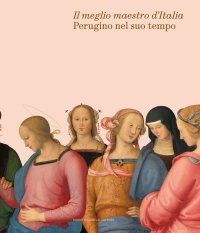
Perugino e il Suo Tempo. "Il Meglio Maestro d'Italia"
Perugia, Galleria Nazionale dell'Umbria, March 4 - June 11, 2023.
Edited by Picchiarelli V. and Pierini M.
Milano, 2023; bound, pp. 592, 650 col. ill., cm 24x21.
cover price: € 40.00
|
Books included in the offer:
Perugino e il Suo Tempo. "Il Meglio Maestro d'Italia"
Perugia, Galleria Nazionale dell'Umbria, March 4 - June 11, 2023.
Edited by Picchiarelli V. and Pierini M.
Milano, 2023; bound, pp. 592, 650 col. ill., cm 24x21.
FREE (cover price: € 40.00)
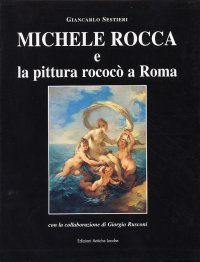
Michele Rocca e la pittura rococo a Roma
Brescia, 2004; bound in a case, pp. 310, b/w and col. ill., tavv., cm 24,5x31,5.
FREE (cover price: € 180.00)
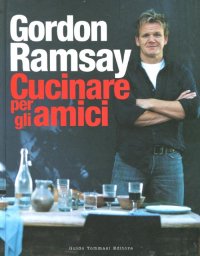
Cucinare per gli amici
Translation by S. Mancuso.
Milano, 2012; clothbound, pp. 269, ill., cm 21x26,5.
(Gli Illustrati).
FREE (cover price: € 29.90)
Giuseppe Terragni. His War, his End.
Attilio Terragni - Valerio Paolo Mosco
Forma Edizioni
English Text.
Firenze, 2020; paperback, pp. 168, 50 b/w ill., cm 16,5x24.
Other editions available: Edizione italiana 88-5521-050
ISBN: 88-5521-052-1 - EAN13: 9788855210522
Subject: Architects and their Practices
Period: 1800-1960 (XIX-XX) Modern Period,1960- Contemporary Period
Languages: 
Weight: 0.38 kg
Called up for military service in 1939, in the spring of 1941 he left first for Yugoslavia and then for the Russian Campaign. The war did not affect his research: he sought in the vastness of the steppe new expressive possibilities, a new spiritual sense for his abstractionism. He returns from the front in precarious mental conditions and undermined by guilt, but also "spiritualized". And just a few days before his death, he draws as an epitaph addressed to the future his latest project: a plan for a Cathedral. An amazing project for its mystical influence that heralded a period of architecture that was never to occur because of the disappearance of one of its most talented exponents.
The events described in this book resemble those of a Greek tragedy, in the battle between an individual and destiny, a conflict in which inevitably, the individual must succumb. But the hero crushed by a destiny moved by blind forces, is granted a consolatory way out: the transfiguration of what Nietzsche called the "great pain" in form, in a work of art.


Santa Maria dell'Anima. Dinamiche Sociali e Arte di una Comunità Straniera a Roma tra '400 e '600
