






 LATEST ART BOOKS
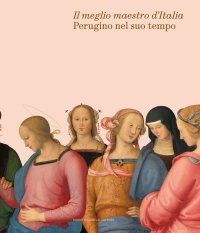
Perugino e il Suo Tempo. "Il Meglio Maestro d'Italia"
Perugia, Galleria Nazionale dell'Umbria, March 4 - June 11, 2023.
Edited by Picchiarelli V. and Pierini M.
Milano, 2023; bound, pp. 592, 650 col. ill., cm 24x21.
cover price: € 40.00
|
Books included in the offer:
Perugino e il Suo Tempo. "Il Meglio Maestro d'Italia"
Perugia, Galleria Nazionale dell'Umbria, March 4 - June 11, 2023.
Edited by Picchiarelli V. and Pierini M.
Milano, 2023; bound, pp. 592, 650 col. ill., cm 24x21.
FREE (cover price: € 40.00)
Michele Rocca e la pittura rococo a Roma
Brescia, 2004; bound in a case, pp. 310, b/w and col. ill., tavv., cm 24,5x31,5.
FREE (cover price: € 180.00)
Cucinare per gli amici
Translation by S. Mancuso.
Milano, 2012; clothbound, pp. 269, ill., cm 21x26,5.
(Gli Illustrati).
FREE (cover price: € 29.90)
Late Gothic Sculpture in Northern Italy. Andrea da Giona and I Maestri Caronesi. An Addition to the Pantheon of Venetian Sculptors
Anne Markham Schulz
Harvey Miller Publishers
English Text.
London, 2022; bound, pp. 600, 505 b/w ill., 27 col. ill., cm 22,5x30.
(Studies in Medieval and Early Renaissance Art History).
series: Studies in Medieval and Early Renaissance Art History
ISBN: 1-912554-80-1 - EAN13: 9781912554805
Subject: Monographs (Sculpture and Decorative Arts),Sculpture
Period: 1000-1400 (XII-XIV) Middle Ages
Languages: 
Weight: 1 kg
Over the course of a century and a half more than forty late Gothic sculptures have been recognized as sharing a vocabulary of figure and facial types, drapery, wings, and hair. Despite the fact that all the works date from the second quarter of the fifteenth century, they were widely distributed throughout Northern Italy - from Udine in the east to Venice, Ferrara, Vicenza, Verona, Milan, Genoa, and Savona in the west. Payments for the greatest of these works, the Milanese Tomb of Giovanni Borromeo, name as its authors Filippo Solari and Andrea, both from Carona or its satellite Giona, towns in the Ticino close to Lake Lugano which gave birth to several famous dynasties of stonecarvers. How Filippo and Andrea and their numerous assistants, known generally as maestri caronesi, were linked and what kinds of organizations permitted such wide-spread activity over such a narrow span of time are questions asked here for the first time. On the basis of close analyses of comparable works, moreover, it proves possible - not only to identify the chief among these maestri caronesi as Andrea da Giona (d. 1449) - but to follow his career in Castiglione Olona, Milan, and Venice where he was preeminent during the transition from late Gothic to Renaissance sculpture

Pietro Bellotti Detto Canaletty. Un Vedutista Veneziano nella Francia dell'Ancien Régime
Officina Zanon 1946-2026. 80 anni di sapere artigiano-80 Years of craft knowledge. Ediz. bilingue

Conte e Mattarella. Sul palcoscenico e dietro le quinte del Quirinale. Un racconto sulle istituzioni
