




 LATEST ART BOOKS
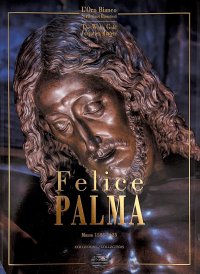
Felice Palma. Massa 1583-1625. Collezione / Collection.
Texts by Claudio Casini, Andrei Cristina, Ciarlo Nicola, Federici Fabrizio and Sara Ragni.
Italian and English Text.
Pontedera, 2024; bound in a case, pp. 289, b/w and col. ill., b/w and col. plates, cm 24,5x34.
(L'Oro Bianco. Straordinari Dimenticati. The White Gold Forgotten Masters).
cover price: € 160.00
|
Books included in the offer:
Felice Palma. Massa 1583-1625. Collezione / Collection.
Texts by Claudio Casini, Andrei Cristina, Ciarlo Nicola, Federici Fabrizio and Sara Ragni.
Italian and English Text.
Pontedera, 2024; bound in a case, pp. 289, b/w and col. ill., b/w and col. plates, cm 24,5x34.
(L'Oro Bianco. Straordinari Dimenticati. The White Gold Forgotten Masters).
FREE (cover price: € 160.00)
Le botteghe del marmo
Italian and English Text.
Ospedaletto, 1992; bound, pp. 153, 10 b/w ill., 60 col. ill., cm 24x29.
(Immagine).
FREE (cover price: € 34.49)

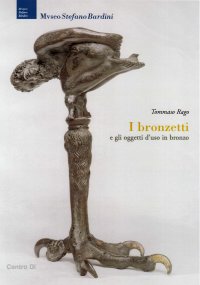
Museo Stefano Bardini. I Bronzetti e gli Oggetti d'Uso in Bronzo
Edited by Nesi A.
Firenze, 2009; paperback, pp. 191, 102 b/w ill., 7 col. ill., cm 17x24,5.
(Museo Stefano Bardini).
FREE (cover price: € 30.00)
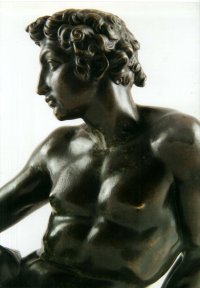
Bronzetti e Rilievi dal XV al XVIII Secolo
Bologna, 2015; 2 vols., bound in a case, pp. 729, ill., col. plates, cm 21,5x30,5.
FREE (cover price: € 90.00)
Medieval Hells. Painting the world of the dead to guide the society of the living
Andrea Gamberini
Libreria Editrice Viella
English Text.
Roma, 2024; bound, pp. 216, col. ill., cm 21x21.
(Viella History, Art and Humanities Collection. 16).
series: Viella History, Art and Humanities Collection.
Other editions available: Edizione italiana 8833137940
EAN13: 9791254695647
Subject: 1800-1960 (XIX-XX) Modern Period,Essays (Art or Architecture),Historical Essays
Languages: 
Weight: 0.74 kg
To cut a long story short, the negative depictions transformed into proposals for action as a result of the iconographic choices of artists and patrons (communities, private individuals, confraternities, religious orders, etc.) who used the theme of Hell to express their ideals of civil coexistence.