






 NOVITA' ARTE
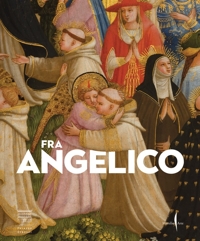
Beato Angelico
Firenze, Palazzo Strozzi, 26 settembre 2025 - 25 gennaio 2026.
A cura di Carl Brandon Strehlke.
Testi di Stefano Casciu, Marco Mozzo, Angelo Tartuferi.
Venezia, 2025; ril., pp. 440, 300 ill. col., cm 25,2x29,8.
prezzo di copertina: € 80.00
|
Libri compresi nell'offerta:
Beato Angelico
Firenze, Palazzo Strozzi, 26 settembre 2025 - 25 gennaio 2026.
A cura di Carl Brandon Strehlke.
Testi di Stefano Casciu, Marco Mozzo, Angelo Tartuferi.
Venezia, 2025; ril., pp. 440, 300 ill. col., cm 25,2x29,8.
OMAGGIO (prezzo di copertina: € 80.00)
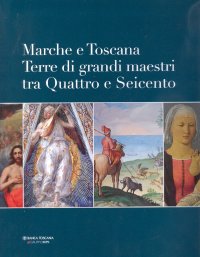
Marche e Toscana. Terre di grandi maestri tra Quattro e Seicento
Ospedaletto, 2007; ril., pp. 320, ill. col., tavv. col., cm 25,5x29.
OMAGGIO (prezzo di copertina: € 77.00)
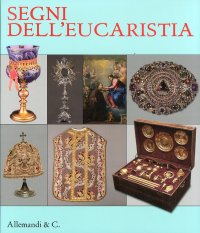
Segni dell'Eucarestia
A cura di M. Luisa Polichetti.
Ancona, Osimo, Loreto Jesi, Senigallia, Fabriano e Metelica, 23 giugno - 31 ottobre 2011.
Torino, 2011; br., pp. 221, ill. b/n e col., cm 24x28.
OMAGGIO (prezzo di copertina: € 32.00)
The Court Artist in Seventeenth-Century Italy
Libreria Editrice Viella
A cura di Fumagalli E. e Morselli R.
Testo Inglese.
Roma, 2014; br., pp. 248, ill. b/n, cm 15x21.
(Kent State University European Studies. 1).
collana: Kent State University European Studies
ISBN: 88-6728-276-X - EAN13: 9788867282760
Soggetto: Pittura,Saggi (Arte o Architettura)
Periodo: 1400-1800 (XV-XVIII) Rinascimento
Luoghi: Italia
Testo in: 
Peso: 0.68 kg
The present volume intends to fill this gap, presenting for the first time a comprehensive examination of the subject of the court artist from sixteenth to seventeenth century and the transformations of this role. "Court artist" is here defined as one who received a regular salary, and was therefore attached to the court by a more or less exclusive service relationship. The book is divided in six chapters: each of them examines the position of the court artist in the service of the most important ruling families in Italy (the Savoy in Turin, the Gonzaga in Mantua, the Este in Modena, the Della Rovere in Pesaro and Urbino, the Medici in Florence) and in papal Rome, a particular and unique center of power.


Santa Maria dell'Anima. Dinamiche Sociali e Arte di una Comunità Straniera a Roma tra '400 e '600
