






 NOVITA' ARTE
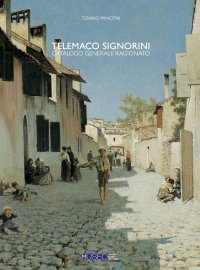
Telemaco Signorini. Catalogo generale ragionato delle opere
Pistoia, 2019; ril., pp. 810, 1500 ill. b/n e col., cm 21,5x29,5.
prezzo di copertina: € 240.00
|
Libri compresi nell'offerta:
Telemaco Signorini. Catalogo generale ragionato delle opere
Pistoia, 2019; ril., pp. 810, 1500 ill. b/n e col., cm 21,5x29,5.
OMAGGIO (prezzo di copertina: € 240.00)
Il Pittore Luigi Nono (1850-1918). Catalogo Ragionato dei Dipinti e dei Disegni. La Vita, i Documenti, le Opere
Torino, 2006; 2 voll., ril. in cofanetto, pp. 576, 862 ill. b/n, 117 tavv. col., cm 25x34.
(Varia).
OMAGGIO (prezzo di copertina: € 250.00)

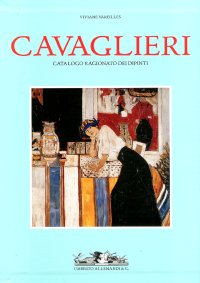
Cavaglieri. Catalogo Ragionato dei Dipinti: la Vita e le Opere. Catalogo delle Opere
Torino, 2006; 2 voll., ril. in cofanetto, pp. 608, ill. b/n, 125 ill. col., 125 tavv. col., cm 25x35.
(Archivi dell'Ottocento).
OMAGGIO (prezzo di copertina: € 250.00)
Building Roman Greece. Innovation in Vaulted Construction in the Peloponnese
Libreria Editrice L'Erma di Bretschneider
Testo Inglese.
Roma, 2016; br., pp. 432, 80 ill. b/n, 120 ill. col., cm 17,5x24.
(Studia Archaeologica. 206).
collana: Studia Archaeologica
ISBN: 88-913-0951-6 - EAN13: 9788891309518
Soggetto: Saggi e Studi sull'antichità,Scavi
Periodo: 0-1000 (0-XI) Antico
Testo in: 
Peso: 1.25 kg
The study fills a gap in the studies of Roman construction, which have generally failed to seek innovation in the building techniques outside Central Italy. The research revealed the importance of Roman architecture in the Peloponnese and its contribution to the development of construction techniques. The significance of these structures had been hitherto only partially recognised and understood, because the few publications to have dealt in any depth with Roman architecture in the Peloponnese were conditioned by an excessive focus on the city of Rome, attributing only relative importance to the specific nature of local building traditions.
For the first time a study evaluates systematically and analytically Roman construction in Greece. Most of the buildings included in the study had never been analysed before and were not even known to specialists. In earlier discussions of Roman architecture in Greece, the construction aspects had been treated cursorily. Scholars were basically focused on comparisons with Rome, thus failing to understand the peculiarities of the construction process. This study offers a detailed layout of the ways in which solid-brick vaulting and concrete vaulting were employed, showing that local workmen were experienced and expert enough to use inventiveness in dealing with technical and structural problems, thus creating a construction tradition distinct from the one in use in Rome. The author analyses on one hand the Italic construction tradition and on the other, the development of a local construction techniques, which were also influenced by eastern vaulting tradition imported from Parthia The new methodological approach of the research is based on on-site study, with sketches, drawings and descriptions, through which it was possible to recognise and understand the construction solutions adopted in each building. The first-hand observation and the technical drawings and/or descriptions of the construction characteristics have eventually made it possible to identify and understand a building style based on the widespread use of brick for walls and vaults that was to become particularly influential in the late antique period, when Eastern building techniques became more markedly different from the ones adopted in the Western part of the Empire.
This methodology becomes a reference point for future research on similar regional contexts and historical periods that share the same construction principles, rooted in the use of mortar as bonding material.

Pietro Bellotti Detto Canaletty. Un Vedutista Veneziano nella Francia dell'Ancien Régime
Klimt, Schiele, Kokoschka e il corpo nell'arte contemporanea

Klimt, Schiele, Kokoschka e il corpo nell'arte contemporanea
Il poliedrico SID in B/N. Nella pittura, nella scultura, nella grafica e nella street art
Building in Africa. Cape to Cairo in 150 days: experiences of an engineer
Gigante 2027. Catalogo nazionale delle monete italiane dal '700 alla fine della lira
Il libro della magia cerimoniale. La tradizione segreta nella Goetia
Conte e Mattarella. Sul palcoscenico e dietro le quinte del Quirinale. Un racconto sulle istituzioni
