






 NOVITA' ARTE
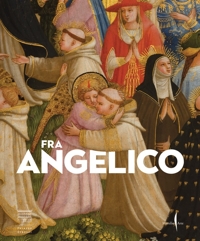
Beato Angelico. Ediz. a colori
Firenze, Palazzo Strozzi, 26 settembre 2025 - 25 gennaio 2026.
A cura di Carl Brandon Strehlke.
Testi di Stefano Casciu, Marco Mozzo, Angelo Tartuferi.
Venezia, 2025; cartonato, pp. 440, 300 ill. col., cm 25,2x29,8.
prezzo di copertina: € 80.00
|
Libri compresi nell'offerta:
Beato Angelico. Ediz. a colori
Firenze, Palazzo Strozzi, 26 settembre 2025 - 25 gennaio 2026.
A cura di Carl Brandon Strehlke.
Testi di Stefano Casciu, Marco Mozzo, Angelo Tartuferi.
Venezia, 2025; cartonato, pp. 440, 300 ill. col., cm 25,2x29,8.
OMAGGIO (prezzo di copertina: € 80.00)
Marche e Toscana. Terre di grandi maestri tra Quattro e Seicento
Ospedaletto, 2007; ril., pp. 320, ill. col., tavv. col., cm 25,5x29.
OMAGGIO (prezzo di copertina: € 77.00)
Segni dell'Eucarestia
A cura di M. Luisa Polichetti.
Ancona, Osimo, Loreto Jesi, Senigallia, Fabriano e Metelica, 23 giugno - 31 ottobre 2011.
Torino, 2011; br., pp. 221, ill. b/n e col., cm 24x28.
OMAGGIO (prezzo di copertina: € 32.00)
Wolfgang Laib. A Retrospective
Ottman Klaus
Hatje Cantz
Ostfildern, 2000; cartonato, pp. 144, cm 29x29.
ISBN: 3-7757-0945-2 - EAN13: 9783775709453
Soggetto: Scultura e Arti Decorative - Monografie
Testo in: 
Peso: 1.9 kg
Wolfgang Laib lives and works closely with the cycles of nature. His works are composed of natural materials that he collects and processes himself. In 1975, Wolfgang Laib created his first milk stone, in 1977, he started sifting pollen into "color miracles," brightly colored fields of pollen, or piling it into small "unsurmountable mountains"; in 1983, he began incorporating rice into his works; and in 1987, beeswax became a signature working material. Both sensual and fragile, his works project aesthetic as well as natural aspects of the transitory nature of our surroundings.
Texts by Klaus Ottmann and Margit Rowell, a conversation between the artist and Harald Szeemann and an illustrated biography make for the most comprehensive study of Wolfgang Laib's art and philosophy. (German edition available Fall 2002)

Pietro Bellotti Detto Canaletty. Un Vedutista Veneziano nella Francia dell'Ancien Régime
Klimt, Schiele, Kokoschka e il corpo nell'arte contemporanea

Gli occhi dell'arte. Scritti, studi e opere in onore di Ferdinando Peretti. Ediz. italiana e inglese
Studi e ricerche di storia dell'architettura (2024). Vol. 16: Rootless-Senza radici
Sole mirabile per luce propria. Ferdinando Gonzaga mecenate e duca
Nel segno di Venezia. La donazione Alessandro Favaretto Rubelli
Klimt, Schiele, Kokoschka e il corpo nell'arte contemporanea
Conte e Mattarella. Sul palcoscenico e dietro le quinte del Quirinale. Un racconto sulle istituzioni
