






 NOVITA' ARTE
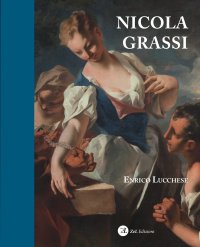
Nicola Grassi (1682-1748)
Treviso, 2019; cartonato, pp. 532, ill. b/n e col., tavv. b/n e col., cm 24x30.
prezzo di copertina: € 90.00
|
Libri compresi nell'offerta:
Nicola Grassi (1682-1748)
Treviso, 2019; cartonato, pp. 532, ill. b/n e col., tavv. b/n e col., cm 24x30.
OMAGGIO (prezzo di copertina: € 90.00)
Carlo Dolci. Complete Catalogue of the Paintings
Testo Inglese.
Firenze, 2015; br., pp. 392, 100 ill. b/n, 186 ill. col., cm 24,5x28,5.
OMAGGIO (prezzo di copertina: € 150.00)

The Portuguese Carnation Revolution. Historical Essay
José Medeiros Ferreira
Shantarin
Testo Inglese.
Lisboa, 2024; br., pp. 248, cm 14x20.
ISBN: 989-9156-15-9 - EAN13: 9789899156159
Testo in: 
Peso: 0 kg
A year earlier, in April 1973, an essay that José Medeiros Ferreira had sent from exile in Switzerland had been presented to the 3rd Congress of the Democratic Opposition in Aveiro. In this essay, which was received with suspicion by various sectors of the Opposition, but which turned out to be prescient, the author stressed the need for the Armed Forces to be involved, firstly to put an end to the dictatorship and the war in the African colonies, and then to support the implementation of a national action plan that would lead to decolonisation, democratisation and development.
From the pen of Medeiros Ferreira-who, having returned from exile shortly after the Revolution, played an important role in opening up Portugal's young democracy to Europe and the world, later establishing himself as one of the most brilliant contemporary history academics of his generation-his historical essay on the Carnation Revolution would be published in 1983, and is now being offered to English readers.
In this first pioneering and daring attempt to record a history of the Portuguese Revolution, recognising the risks of the proximity of the text to the object of study, as well as the proximity of the narrator to the historical action in which he was involved, the author made a redoubled effort of methodological rigour, through the selection, analysis and interpretation of the available sources, bequeathing a work that remains fundamental and intellectually challenging.

Pietro Bellotti Detto Canaletty. Un Vedutista Veneziano nella Francia dell'Ancien Régime
La discesa della colomba. La storia dello Spirito Santo nella Chiesa

L'albero giusto nella città giusta. Forestazione urbana a Palermo
Conte e Mattarella. Sul palcoscenico e dietro le quinte del Quirinale. Un racconto sulle istituzioni
