






 NOVITA' ARTE
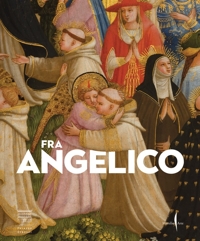
Beato Angelico
Firenze, Palazzo Strozzi, 26 settembre 2025 - 25 gennaio 2026.
A cura di Carl Brandon Strehlke.
Testi di Stefano Casciu, Marco Mozzo, Angelo Tartuferi.
Venezia, 2025; cartonato, pp. 440, 300 ill. col., cm 25,2x29,8.
prezzo di copertina: € 80.00
|
Libri compresi nell'offerta:
Beato Angelico
Firenze, Palazzo Strozzi, 26 settembre 2025 - 25 gennaio 2026.
A cura di Carl Brandon Strehlke.
Testi di Stefano Casciu, Marco Mozzo, Angelo Tartuferi.
Venezia, 2025; cartonato, pp. 440, 300 ill. col., cm 25,2x29,8.
OMAGGIO (prezzo di copertina: € 80.00)
Marche e Toscana. Terre di grandi maestri tra Quattro e Seicento
Ospedaletto, 2007; ril., pp. 320, ill. col., tavv. col., cm 25,5x29.
OMAGGIO (prezzo di copertina: € 77.00)

Segni dell'Eucarestia
A cura di M. Luisa Polichetti.
Ancona, Osimo, Loreto Jesi, Senigallia, Fabriano e Metelica, 23 giugno - 31 ottobre 2011.
Torino, 2011; br., pp. 221, ill. b/n e col., cm 24x28.
OMAGGIO (prezzo di copertina: € 32.00)

The Three Natures. Gardens and Landscapes of the Italian Renaissance
Harvey Miller Publishers
A cura di Anatole Tchikine.
Testo Inglese.
London, 2025; ril., pp. 220, 40 ill. b/n, 79 ill. col., cm 22x28.
ISBN: 1-915487-23-4 - EAN13: 9781915487230
Soggetto: Parchi, Giardini e Ambiente
Periodo: 1400-1800 (XV-XVIII) Rinascimento
Testo in: 
Peso: 0 kg
This book, focused on fifteenth- through seventeenth-century Italy, revives Bonfadio's emphasis on the collaborative ethics of environmental relationships as key to understanding the early modern modes of cultural appropriation of the natural world. At the center of this discussion are various ways in which gardens captured the variety of manifestations of nature, couched in the language and categories of contemporary experience. Written by an interdisciplinary team of scholars including some of the leading authorities in the field, this book shows how garden design and meaning were instrumentalized in such diverse contexts as elite collecting, natural philosophy, artistic practice, poetic discourse, medical theory, and religious imagination, laying out new theoretical frameworks for explaining the centrality of these green spaces in fashioning social, gender, and regional identities.

Klimt, Schiele, Kokoschka e il corpo nell'arte contemporanea

Gli occhi dell'arte. Scritti, studi e opere in onore di Ferdinando Peretti. Ediz. italiana e inglese
Armonismo. La luce precede la forma. Una teoria dello spazio tra luce, geometria e asimmetria
Passeggiate veneziane. Andar per chiese tra calli, campi e laguna
Palazzo M. Problematiche di restauro di un cantiere autarchico
Human-Centered Design. The Social Dimension of Sustainable Building Culture
Conte e Mattarella. Sul palcoscenico e dietro le quinte del Quirinale. Un racconto sulle istituzioni
