






 NOVITA' ARTE
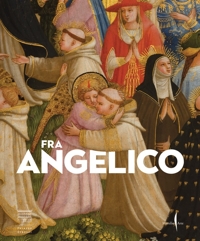
Beato Angelico. Ediz. a colori
Firenze, Palazzo Strozzi, 26 settembre 2025 - 25 gennaio 2026.
A cura di Carl Brandon Strehlke.
Testi di Stefano Casciu, Marco Mozzo, Angelo Tartuferi.
Venezia, 2025; cartonato, pp. 440, 300 ill. col., cm 25,2x29,8.
prezzo di copertina: € 80.00
|
Libri compresi nell'offerta:
Beato Angelico. Ediz. a colori
Firenze, Palazzo Strozzi, 26 settembre 2025 - 25 gennaio 2026.
A cura di Carl Brandon Strehlke.
Testi di Stefano Casciu, Marco Mozzo, Angelo Tartuferi.
Venezia, 2025; cartonato, pp. 440, 300 ill. col., cm 25,2x29,8.
OMAGGIO (prezzo di copertina: € 80.00)
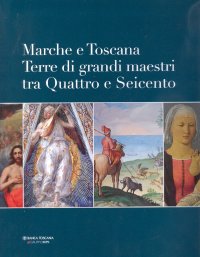
Marche e Toscana. Terre di grandi maestri tra Quattro e Seicento
Ospedaletto, 2007; ril., pp. 320, ill. col., tavv. col., cm 25,5x29.
OMAGGIO (prezzo di copertina: € 77.00)
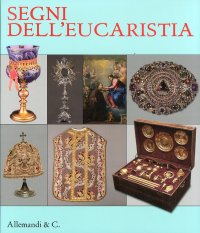
Segni dell'Eucarestia
A cura di M. Luisa Polichetti.
Ancona, Osimo, Loreto Jesi, Senigallia, Fabriano e Metelica, 23 giugno - 31 ottobre 2011.
Torino, 2011; br., pp. 221, ill. b/n e col., cm 24x28.
OMAGGIO (prezzo di copertina: € 32.00)
Painting Architecture in Early Renaissance Italy. Innovation and Persuasion at the Intersection of Artistic and Architectural Practice
Harvey Miller Publishers
Testo Inglese.
London, 2024; ril., pp. 220, 3 ill. b/n, 138 ill. col., cm 22x28.
(Renovatio Artium. 12).
collana: Renovatio Artium.
ISBN: 1-915487-03-X - EAN13: 9781915487032
Soggetto: Pittura,Saggi (Arte o Architettura)
Periodo: 1400-1800 (XV-XVIII) Rinascimento
Testo in: 
Peso: 0 kg
Rather than interpreting architectural settings as purely spatial devices and as lesser counterparts of their built cognates, this book emphasises their intrinsic value as designs as well as communicative tools, contending that the architectural imagination of artists was instrumental in redefining the status of architectural forms as a kind of cultural currency. Exploring the nexus between innovation and persuasion, Livia Lupi highlights an early form of little-discussed paragone between painting and architecture which relied on a shared understanding of architectural invention as a symbol of prestige.
This approach offers a precious insight into how architectural forms were perceived and deployed, be they two or three-dimensional, at the same time clarifying the intersection of architecture and the figural arts in the work of later, influential figures like Giuliano da Sangallo, Raphael, Michelangelo and Baldassarre Peruzzi, whose work would not have been possible without the architectural experimentation of early fifteenth-century artists.

Pietro Bellotti Detto Canaletty. Un Vedutista Veneziano nella Francia dell'Ancien Régime
Klimt, Schiele, Kokoschka e il corpo nell'arte contemporanea

Gli occhi dell'arte. Scritti, studi e opere in onore di Ferdinando Peretti. Ediz. italiana e inglese
Nel segno di Venezia. La donazione Alessandro Favaretto Rubelli
Klimt, Schiele, Kokoschka e il corpo nell'arte contemporanea
Conte e Mattarella. Sul palcoscenico e dietro le quinte del Quirinale. Un racconto sulle istituzioni
