






 NOVITA' ARTE
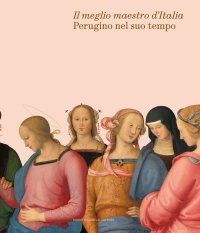
Perugino e il Suo Tempo. "Il Meglio Maestro d'Italia"
Perugia, Galleria Nazionale dell'Umbria, 4 marzo - 11 giugno 2023.
A cura di Picchiarelli V. e Pierini M.
Milano, 2023; ril., pp. 592, 650 ill. col., cm 24x21.
prezzo di copertina: € 40.00
|
Libri compresi nell'offerta:
Perugino e il Suo Tempo. "Il Meglio Maestro d'Italia"
Perugia, Galleria Nazionale dell'Umbria, 4 marzo - 11 giugno 2023.
A cura di Picchiarelli V. e Pierini M.
Milano, 2023; ril., pp. 592, 650 ill. col., cm 24x21.
OMAGGIO (prezzo di copertina: € 40.00)
Michele Rocca e la pittura rococo a Roma
Brescia, 2004; ril. in cofanetto, pp. 310, ill. b/n e col., tavv., cm 24,5x31,5.
OMAGGIO (prezzo di copertina: € 180.00)
Cucinare per gli amici
Traduzione di S. Mancuso.
Milano, 2012; ril., pp. 269, ill., cm 21x26,5.
(Gli Illustrati).
OMAGGIO (prezzo di copertina: € 29.90)
The Allure of Glazed Terracotta in Renaissance Italy
Zuzanna Sarnecka
Harvey Miller Publishers
Testo Inglese.
London, 2021; br., pp. 184, 144 ill. col., cm 22x28.
(Studies in Medieval and Early Renaissance Art History).
collana: Studies in Medieval and Early Renaissance Art History
ISBN: 1-912554-78-X - EAN13: 9781912554782
Soggetto: Arti Decorative (Ceramica, Porcellana, Maiolica)
Periodo: 1400-1800 (XV-XVIII) Rinascimento
Testo in: 
Peso: 1 kg
This book explores the role of glazed terracotta sculpture in Renaissance Italy, from c. 1450 to the mid-1530s. In its brightness and intense colour glazed terracotta strongly attracted the viewer's gaze. Its pure and radiant surfaces also had the power to raise the mind and soul of the faithful to contemplation of the divine. The quasi-magical process of firing earthenware coated with tin-based paste, promoted initially by imports from the East, was seized upon by Luca della Robbia, who realised that glazed terracotta was the ideal vehicle for the numinous. He began to create sculptures in the medium in the 1430s, and continued to produce them for the rest of his life. After Luca's death, his nephew, Andrea della Robbia, inherited his workshop in Florence and continued to develop the medium, together with his sons. The book considers some of the large-scale altarpieces created by the Della Robbia family in parallel with a number of small-scale figures in glazed terracotta, mostly made by unidentified sculptors. The captivating illustrations integrate these two categories of glazed terracotta sculpture into the history of Italian Renaissance art. By focusing on a specific artistic medium which stimulated piety in both ecclesiastical and domestic contexts, this book offers new ways of thinking about the religious art of the Italian Renaissance. The links it establishes between lay devotion and the creation of religious images in glazed terracotta invite reassessment of habitual distinctions between private and public art.

Pietro Bellotti Detto Canaletty. Un Vedutista Veneziano nella Francia dell'Ancien Régime

Aeroporto di Salerno - Pontecagnano 100 anni. Da Campo di Fortuna a Scalo Internazionale
Linear Elamite Inscriptions and Related Cuneiform Texts I. Linear Elamite Texts From Susa. Vol. 10
Gigante 2027. Catalogo nazionale delle monete italiane dal '700 alla fine della lira
Conte e Mattarella. Sul palcoscenico e dietro le quinte del Quirinale. Un racconto sulle istituzioni
