






 NOVITA' ARTE
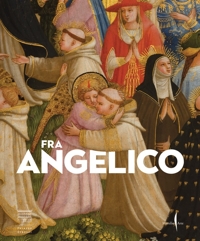
Beato Angelico
Firenze, Palazzo Strozzi, 26 settembre 2025 - 25 gennaio 2026.
A cura di Carl Brandon Strehlke.
Testi di Stefano Casciu, Marco Mozzo, Angelo Tartuferi.
Venezia, 2025; ril., pp. 440, 300 ill. col., cm 25,2x29,8.
prezzo di copertina: € 80.00
|
Libri compresi nell'offerta:
Beato Angelico
Firenze, Palazzo Strozzi, 26 settembre 2025 - 25 gennaio 2026.
A cura di Carl Brandon Strehlke.
Testi di Stefano Casciu, Marco Mozzo, Angelo Tartuferi.
Venezia, 2025; ril., pp. 440, 300 ill. col., cm 25,2x29,8.
OMAGGIO (prezzo di copertina: € 80.00)
Marche e Toscana. Terre di grandi maestri tra Quattro e Seicento
Ospedaletto, 2007; ril., pp. 320, ill. col., tavv. col., cm 25,5x29.
OMAGGIO (prezzo di copertina: € 77.00)
Segni dell'Eucarestia
A cura di M. Luisa Polichetti.
Ancona, Osimo, Loreto Jesi, Senigallia, Fabriano e Metelica, 23 giugno - 31 ottobre 2011.
Torino, 2011; br., pp. 221, ill. b/n e col., cm 24x28.
OMAGGIO (prezzo di copertina: € 32.00)

The Italian Piazza Transformed. Parma in the Communal Age
Marina Areli
The Pennsylvania State University Press
Testo Inglese.
University Park, 2018; cartonato, pp. 192, ill., cm 18x26.
ISBN: 0-271-05070-5 - EAN13: 9780271050706
Soggetto: Città
Periodo: 1400-1800 (XV-XVIII) Rinascimento
Luoghi: Emilia Romagna
Testo in: 
Peso: 1.06 kg
Moreover, Marina establishes that the piazzas' orderly contours, dramatic open spaces, and monumental buildings were more than grand backdrops to civic ritual. Parma's squares were also agents in the production of the city-state's mechanisms of control. They deployed brick, marble, and mortar according to both ancient Roman and contemporary courtly modes to create a physical embodiment of the modern, syncretic authority of the city's leaders. By weaving together traditional formal and iconographic approaches with newer concepts of the symbolic, social, and political meanings of urban space, Marina reframes the complex relationship between late medieval Italy's civic culture and the carefully crafted piazzas from which it emerged.

Pietro Bellotti Detto Canaletty. Un Vedutista Veneziano nella Francia dell'Ancien Régime
Klimt, Schiele, Kokoschka e il corpo nell'arte contemporanea

Gli occhi dell'arte. Scritti, studi e opere in onore di Ferdinando Peretti. Ediz. italiana e inglese
Nel segno di Venezia. La donazione Alessandro Favaretto Rubelli
Klimt, Schiele, Kokoschka e il corpo nell'arte contemporanea
Conte e Mattarella. Sul palcoscenico e dietro le quinte del Quirinale. Un racconto sulle istituzioni
