






 NOVITA' ARTE
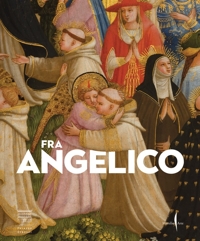
Beato Angelico
Firenze, Palazzo Strozzi, 26 settembre 2025 - 25 gennaio 2026.
A cura di Carl Brandon Strehlke.
Testi di Stefano Casciu, Marco Mozzo, Angelo Tartuferi.
Venezia, 2025; ril., pp. 440, 300 ill. col., cm 25,2x29,8.
prezzo di copertina: € 80.00
|
Libri compresi nell'offerta:
Beato Angelico
Firenze, Palazzo Strozzi, 26 settembre 2025 - 25 gennaio 2026.
A cura di Carl Brandon Strehlke.
Testi di Stefano Casciu, Marco Mozzo, Angelo Tartuferi.
Venezia, 2025; ril., pp. 440, 300 ill. col., cm 25,2x29,8.
OMAGGIO (prezzo di copertina: € 80.00)
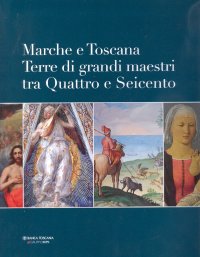
Marche e Toscana. Terre di grandi maestri tra Quattro e Seicento
Ospedaletto, 2007; ril., pp. 320, ill. col., tavv. col., cm 25,5x29.
OMAGGIO (prezzo di copertina: € 77.00)
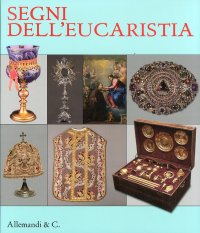
Segni dell'Eucarestia
A cura di M. Luisa Polichetti.
Ancona, Osimo, Loreto Jesi, Senigallia, Fabriano e Metelica, 23 giugno - 31 ottobre 2011.
Torino, 2011; br., pp. 221, ill. b/n e col., cm 24x28.
OMAGGIO (prezzo di copertina: € 32.00)
Fictional characters in philosophy. A contribution to the history and theory of a tool for thinking
Luca Mori
Edizioni ETS
Testo Inglese.
Pisa, 2025; br., pp. 220, cm 14x22.
(Philosophica).
collana: Philosophica
ISBN: 88-467-7389-6 - EAN13: 9788846773890
Periodo: 1400-1800 (XV-XVIII) Rinascimento,1800-1960 (XIX-XX) Moderno
Testo in: 
Peso: 0.38 kg
From Plato's cave prisoners and the Stoic sage to Descartes' evil demon, Condillac's statue, Nietzsche's Zarathustra, and Rawls's individuals behind the veil of ignorance, these figures mark the shifting boundaries of what philosophy can think and say. This book offers a wide-ranging exploration of more than 150 philosophical fictional characters, examining how they operate as heuristic tools and in thought experiments, showing that they can serve to render certain perspectives more perspicuous, to interrogate one or more standpoints (including one's own), to probe the premises and practical implications of alternative conceptual frameworks, to subject a theoretical position to a decisive test (experimentum crucis), to articulate objections, and to open up new levels of generalization and abstraction.
Transcending traditions and epochs, these figures trace a parallel history of philosophy - one written not only through arguments, but through imagination. They remind us that to philosophize is also to invent: to create images, voices, and imagined scenarios that make thinking itself possible.
Luca Mori is a researcher in the History of Philosophy at the Department of Civilizations and Forms of Knowledge, University of Pisa. He teaches in the Master's program in Neuroscience, Mindfulness, and Contemplative Practices at the same university. His publications include Gli esercizi di Epitteto. L'arte di rendersi imperturbabili, Edizioni ETS, Pisa 2025; Gli esercizi di Socrate. L'arte di migliorare se stessi, Edizioni ETS, Pisa 2023; Hannah Arendt. Filosofia e politica dopo Auschwitz, Carocci, Roma 2023; Cinetica della psiche. Cura di sé ed esercizi dei filosofi dal mondo antico al XVII secolo, Edizioni ETS, Pisa 2021.

Pietro Bellotti Detto Canaletty. Un Vedutista Veneziano nella Francia dell'Ancien Régime
Klimt, Schiele, Kokoschka e il corpo nell'arte contemporanea

Gli occhi dell'arte. Scritti, studi e opere in onore di Ferdinando Peretti. Ediz. italiana e inglese
Museo della Ceramica Contemporanea Mediterranea di Cava de' Tirreni. Ediz. a colori
Nel segno di Venezia. La donazione Alessandro Favaretto Rubelli
Klimt, Schiele, Kokoschka e il corpo nell'arte contemporanea
Il poliedrico SID in B/N. Nella pittura, nella scultura, nella grafica e nella street art
Conte e Mattarella. Sul palcoscenico e dietro le quinte del Quirinale. Un racconto sulle istituzioni
