






 NOVITA' ARTE
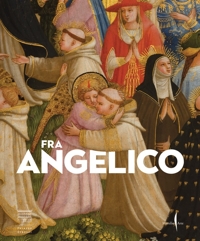
Beato Angelico
Firenze, Palazzo Strozzi, 26 settembre 2025 - 25 gennaio 2026.
A cura di Carl Brandon Strehlke.
Testi di Stefano Casciu, Marco Mozzo, Angelo Tartuferi.
Venezia, 2025; ril., pp. 440, 300 ill. col., cm 25,2x29,8.
prezzo di copertina: € 80.00
|
Libri compresi nell'offerta:
Beato Angelico
Firenze, Palazzo Strozzi, 26 settembre 2025 - 25 gennaio 2026.
A cura di Carl Brandon Strehlke.
Testi di Stefano Casciu, Marco Mozzo, Angelo Tartuferi.
Venezia, 2025; ril., pp. 440, 300 ill. col., cm 25,2x29,8.
OMAGGIO (prezzo di copertina: € 80.00)
Marche e Toscana. Terre di grandi maestri tra Quattro e Seicento
Ospedaletto, 2007; ril., pp. 320, ill. col., tavv. col., cm 25,5x29.
OMAGGIO (prezzo di copertina: € 77.00)

Segni dell'Eucarestia
A cura di M. Luisa Polichetti.
Ancona, Osimo, Loreto Jesi, Senigallia, Fabriano e Metelica, 23 giugno - 31 ottobre 2011.
Torino, 2011; br., pp. 221, ill. b/n e col., cm 24x28.
OMAGGIO (prezzo di copertina: € 32.00)

Virginia Dwan. And Dwan Gallery
Celant Germano
Skira
Testo Inglese.
Milano, 2016; br., pp. 404, ill. b/n e col., cm 24x28.
ISBN: 88-572-2249-7 - EAN13: 9788857222493
Soggetto: Fotografia
Testo in: 
Peso: 0.57 kg
The Dwan Gallery opened in Los Angeles in 1959 and showed works by artists such as Arman, Yves Klein, Claes Oldenburg, Robert Rauschenberg, Niki de Saint Phalle and Jean Tinguely, becoming a West Coast point of reference for international art. In 1965, Virginia Dwan also opened a gallery in New York where she exhibited pieces by the protagonists of Minimal and Conceptual Art.
Through a rich collection of images and rare testimonies published for the first time, as well as a detailed chronology, in this volume Germano Celant recounts the years 1959-71 in the Dwan Gallery, whose shows were as important as those organized by personalities such as Leo Castelli and Ileana Sonnabend, also focusing on earlier and subsequent events in Virginia Dwan's career up to the present.

Pietro Bellotti Detto Canaletty. Un Vedutista Veneziano nella Francia dell'Ancien Régime
Klimt, Schiele, Kokoschka e il corpo nell'arte contemporanea

Gli occhi dell'arte. Scritti, studi e opere in onore di Ferdinando Peretti. Ediz. italiana e inglese
Museo della Ceramica Contemporanea Mediterranea di Cava de' Tirreni. Ediz. a colori
Nel segno di Venezia. La donazione Alessandro Favaretto Rubelli
Klimt, Schiele, Kokoschka e il corpo nell'arte contemporanea
Il poliedrico SID in B/N. Nella pittura, nella scultura, nella grafica e nella street art
Conte e Mattarella. Sul palcoscenico e dietro le quinte del Quirinale. Un racconto sulle istituzioni
