






 NOVITA' ARTE
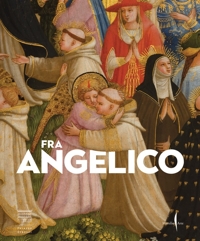
Beato Angelico
Firenze, Palazzo Strozzi, 26 settembre 2025 - 25 gennaio 2026.
A cura di Carl Brandon Strehlke.
Testi di Stefano Casciu, Marco Mozzo, Angelo Tartuferi.
Venezia, 2025; ril., pp. 440, 300 ill. col., cm 25,2x29,8.
prezzo di copertina: € 80.00
|
Libri compresi nell'offerta:
Beato Angelico
Firenze, Palazzo Strozzi, 26 settembre 2025 - 25 gennaio 2026.
A cura di Carl Brandon Strehlke.
Testi di Stefano Casciu, Marco Mozzo, Angelo Tartuferi.
Venezia, 2025; ril., pp. 440, 300 ill. col., cm 25,2x29,8.
OMAGGIO (prezzo di copertina: € 80.00)
Marche e Toscana. Terre di grandi maestri tra Quattro e Seicento
Ospedaletto, 2007; ril., pp. 320, ill. col., tavv. col., cm 25,5x29.
OMAGGIO (prezzo di copertina: € 77.00)

Segni dell'Eucarestia
A cura di M. Luisa Polichetti.
Ancona, Osimo, Loreto Jesi, Senigallia, Fabriano e Metelica, 23 giugno - 31 ottobre 2011.
Torino, 2011; br., pp. 221, ill. b/n e col., cm 24x28.
OMAGGIO (prezzo di copertina: € 32.00)

L'ateismo trionfato, ovvero riconoscimento filosofico della religione universale contra l'antichristianesimo macchiavellesco
Campanella Tommaso
Edizioni della Normale Superiore di Pisa
A cura di Ernst G.
Pisa, 2004; 2 voll., ril., pp. LXVII-656, ill., cm 18x24.
ISBN: 88-7642-125-4 - EAN13: 9788876421259
Periodo: 1000-1400 (XII-XIV) Medioevo,1400-1800 (XV-XVIII) Rinascimento
Testo in: 
Peso: 1.38 kg
The modern reader of the book's short title might think it is about triumphant 'atheism'. This is not the case, however.
To Campanella, 'atheism' did not mean the non-existence of God but rather the belief in a Calvinist God predestining the eternal fate of human beings who have no free will and therefore no ability to chose good over evil. He therefore saw his book as an attack on this triumphant Protestant theology that threatened God with charges of cruelty and injustice.
In this book, Campanella also accounts as heretics of true Christian religion such writers as Niccol" Machiavelli and others who assert that the ends justify the means.
Although he clearly believed in God and disbelieved in predestination, his book seemed too liberal for the likes of his critical inquisitorial readers. No wonder, then, that the Latin edition of 1631, published in Italy, had to go through rewriting and, even after publication, was removed from bookstores' shelves for further emendations. It could only find unfettered publication in Paris in 1636.

Pietro Bellotti Detto Canaletty. Un Vedutista Veneziano nella Francia dell'Ancien Régime
Klimt, Schiele, Kokoschka e il corpo nell'arte contemporanea

Gli occhi dell'arte. Scritti, studi e opere in onore di Ferdinando Peretti. Ediz. italiana e inglese
Museo della Ceramica Contemporanea Mediterranea di Cava de' Tirreni. Ediz. a colori
Nel segno di Venezia. La donazione Alessandro Favaretto Rubelli
Klimt, Schiele, Kokoschka e il corpo nell'arte contemporanea
Conte e Mattarella. Sul palcoscenico e dietro le quinte del Quirinale. Un racconto sulle istituzioni
Fuori Catalogo
