






 NOVITA' ARTE
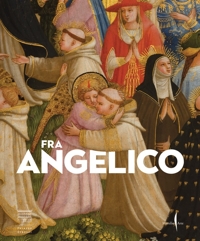
Beato Angelico. Ediz. a colori
Firenze, Palazzo Strozzi, 26 settembre 2025 - 25 gennaio 2026.
A cura di Carl Brandon Strehlke.
Testi di Stefano Casciu, Marco Mozzo, Angelo Tartuferi.
Venezia, 2025; cartonato, pp. 440, 300 ill. col., cm 25,2x29,8.
prezzo di copertina: € 80.00
|
Libri compresi nell'offerta:
Beato Angelico. Ediz. a colori
Firenze, Palazzo Strozzi, 26 settembre 2025 - 25 gennaio 2026.
A cura di Carl Brandon Strehlke.
Testi di Stefano Casciu, Marco Mozzo, Angelo Tartuferi.
Venezia, 2025; cartonato, pp. 440, 300 ill. col., cm 25,2x29,8.
OMAGGIO (prezzo di copertina: € 80.00)
Marche e Toscana. Terre di grandi maestri tra Quattro e Seicento
Ospedaletto, 2007; ril., pp. 320, ill. col., tavv. col., cm 25,5x29.
OMAGGIO (prezzo di copertina: € 77.00)
Segni dell'Eucarestia
A cura di M. Luisa Polichetti.
Ancona, Osimo, Loreto Jesi, Senigallia, Fabriano e Metelica, 23 giugno - 31 ottobre 2011.
Torino, 2011; br., pp. 221, ill. b/n e col., cm 24x28.
OMAGGIO (prezzo di copertina: € 32.00)

Sardinia Megalithic Island. From Menhirs to Nuraghi. Stories of Stone in the Heart of Mediterranean
Skira
Testo Inglese.
Milano, 2021; ril., pp. 320, 250 ill. col., cm 24x28.
Altre edizioni disponibili: German edition 88-572-4555
ISBN: 88-572-4556-X - EAN13: 9788857245560
Soggetto: Saggi e Studi sull'antichità
Periodo: 0-1000 (0-XI) Antico
Testo in: 
Peso: 1.892 kg
There are also other types of building: the "protonuraghi" (also known as "pseudonuraghi" or "corridor nuraghi"), the "giants' tombs," the "well temples" and "sacred springs," and the "megaron" temples.
Archaeological data confirm that the Nuragic civilization was based on an agricultural and sheep-farming economy, but it also made significant use of mineral resources (particularly copper and lead).

Klimt, Schiele, Kokoschka e il corpo nell'arte contemporanea

Gli occhi dell'arte. Scritti, studi e opere in onore di Ferdinando Peretti. Ediz. italiana e inglese
Guerra e resistenza. Tra fame, razionamenti e borsa nera: l'incognita costante del mangiare
Folklands. Montagne, foreste, oceani e deserti attraverso simboli, miti, leggende e folklore
Giovanni Bernardo Carbone 1616-1683. Un ritrattista «alla moda» nella Genova di metà Seicento
Museo della Ceramica Contemporanea Mediterranea di Cava de' Tirreni. Ediz. a colori
Nel segno di Venezia. La donazione Alessandro Favaretto Rubelli
Klimt, Schiele, Kokoschka e il corpo nell'arte contemporanea
Conte e Mattarella. Sul palcoscenico e dietro le quinte del Quirinale. Un racconto sulle istituzioni
