






 NOVITA' ARTE
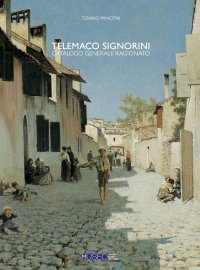
Telemaco Signorini. Catalogo generale ragionato delle opere
Pistoia, 2019; ril., pp. 810, 1500 ill. b/n e col., cm 21,5x29,5.
prezzo di copertina: € 240.00
|
Libri compresi nell'offerta:
Telemaco Signorini. Catalogo generale ragionato delle opere
Pistoia, 2019; ril., pp. 810, 1500 ill. b/n e col., cm 21,5x29,5.
OMAGGIO (prezzo di copertina: € 240.00)
Il Pittore Luigi Nono (1850-1918). Catalogo Ragionato dei Dipinti e dei Disegni. La Vita, i Documenti, le Opere
Torino, 2006; 2 voll., ril. in cofanetto, pp. 576, 862 ill. b/n, 117 tavv. col., cm 25x34.
(Varia).
OMAGGIO (prezzo di copertina: € 250.00)

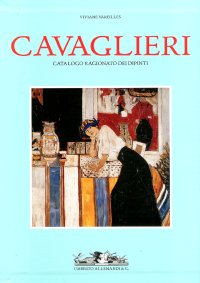
Cavaglieri. Catalogo Ragionato dei Dipinti: la Vita e le Opere. Catalogo delle Opere
Torino, 2006; 2 voll., ril. in cofanetto, pp. 608, ill. b/n, 125 ill. col., 125 tavv. col., cm 25x35.
(Archivi dell'Ottocento).
OMAGGIO (prezzo di copertina: € 250.00)
Robert Indiana: an American icon
Phaidon Press Limited
Introduzione di S. E. E. Salama-Caro.
Testo Inglese.
London, 2026; ril., pp. 400, ill. col., cm 25x29.
ISBN: 1-83729-055-5 - EAN13: 9781837290550
Soggetto: Scultura,Scultura e Arti Decorative - Monografie
Periodo: 1800-1960 (XIX-XX) Moderno,1960- Contemporaneo
Testo in: 
Peso: 1.92 kg
Robert Indiana: An American Icon is a comprehensive survey of his life and career. Created in close collaboration with The Robert Indiana Legacy Initiative, this landmark volume invites readers to rediscover Indiana through more than 450 career-spanning images of his paintings, sculpture, and works on paper, along with rare archival materials and a facsimile of Indiana's handwritten journals with sketches.
A foreword by Simon Salama-Caro, a longtime steward of Indiana's work, provides personal reflections on the artist. A revelatory suite of essays by three leading art historians offers insights into his work and legacy. Prudence Peiffer focuses on Indiana's investigation of American identity and his innovative use of language in art. Richard Meyer's text delves into codification and layering in the work of Indiana, examining what the inclusion of language allowed him, as a gay artist, to express, and the ambiguous ways it echoes the encoded knowledge and necessary indirection of queerness in the mid-century. Robert Pincus-Witten's historic essay explores how Indiana transcended categories such as Pop art and assemblage, while examining his time on New York's Coenties Slip, a creative hub for artists such as Agnes Martin, Ellsworth Kelly, and Jack Youngerman. Also featuring an example of the artist's own writing alongside two historic interviews, this book offers a chance to hear directly from a celebrated artist whose influence still resonates today.
This monograph traces Indiana's journey from his years in Coenties Slip - where he forged a visual language - through to the decades he spent on the island of Vinalhaven, Maine, producing some of his most introspective work. While Indiana is widely known for his Love image, created in 1964, this book uncovers the deeper dimensions of his practice, revealing an artist whose work challenged the idealized image of the American Dream.
Meticulously produced, the book includes previously unpublished materials, offering a fuller understanding of Indiana's legacy. With color plates of career-spanning work, an insert facsimile of the artist's handwritten journals, a sweeping illustrated chronology, and expansive gatefolds, Robert Indiana: An American Icon is a reintroduction to a vital American voice, seen in full.

Pietro Bellotti Detto Canaletty. Un Vedutista Veneziano nella Francia dell'Ancien Régime
Buoni di cuore, sventati di testa. Pinocchio, Don Chisciotte e altre storie di Giorgio Scapinelli
Il poliedrico SID in B/N. Nella pittura, nella scultura, nella grafica e nella street art
Building in Africa. Cape to Cairo in 150 days: experiences of an engineer

Gigante 2027. Catalogo nazionale delle monete italiane dal '700 alla fine della lira
Il libro della magia cerimoniale. La tradizione segreta nella Goetia
Conte e Mattarella. Sul palcoscenico e dietro le quinte del Quirinale. Un racconto sulle istituzioni
