






 NOVITA' ARTE
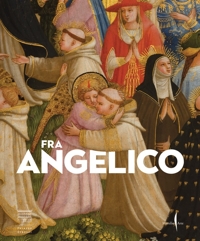
Beato Angelico. Ediz. a colori
Firenze, Palazzo Strozzi, 26 settembre 2025 - 25 gennaio 2026.
A cura di Carl Brandon Strehlke.
Testi di Stefano Casciu, Marco Mozzo, Angelo Tartuferi.
Venezia, 2025; cartonato, pp. 440, 300 ill. col., cm 25,2x29,8.
prezzo di copertina: € 80.00
|
Libri compresi nell'offerta:
Beato Angelico. Ediz. a colori
Firenze, Palazzo Strozzi, 26 settembre 2025 - 25 gennaio 2026.
A cura di Carl Brandon Strehlke.
Testi di Stefano Casciu, Marco Mozzo, Angelo Tartuferi.
Venezia, 2025; cartonato, pp. 440, 300 ill. col., cm 25,2x29,8.
OMAGGIO (prezzo di copertina: € 80.00)
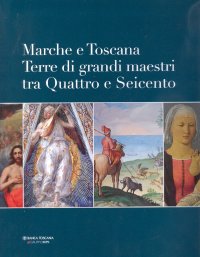
Marche e Toscana. Terre di grandi maestri tra Quattro e Seicento
Ospedaletto, 2007; ril., pp. 320, ill. col., tavv. col., cm 25,5x29.
OMAGGIO (prezzo di copertina: € 77.00)
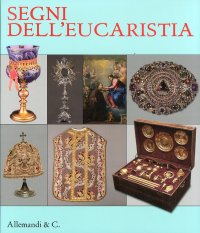
Segni dell'Eucarestia
A cura di M. Luisa Polichetti.
Ancona, Osimo, Loreto Jesi, Senigallia, Fabriano e Metelica, 23 giugno - 31 ottobre 2011.
Torino, 2011; br., pp. 221, ill. b/n e col., cm 24x28.
OMAGGIO (prezzo di copertina: € 32.00)
Jan Fabre. Glass and Bone Sculptures 1977-2017
Forma Edizioni
Venezia, Abbazia di San Gregorio, 11 maggio - 26 novembre 2017.
Testo Inglese.
Firenze, 2017; cartonato, pp. 128, ill. col., cm 24,5x31.
ISBN: 88-99534-30-6 - EAN13: 9788899534301
Soggetto: Pittura e Disegno - Monografie,Saggi (Arte o Architettura),Scultura e Arti Decorative - Monografie
Periodo: 1800-1960 (XIX-XX) Moderno,1960- Contemporaneo
Testo in: 
Peso: 1.2 kg
Curators Giacinto di Pietrantonio (GAMeC,Bergamo), Katerina Koskina (EMST, Athens) and Dimitri Ozerkov (Hermitage, St Petersburg) made an exclusive selection of works in glass and bone from the 1977 to 2017 period, now brought together for the first time.
Jan Fabre is fascinated by the alchemy and the memory of materials. With this body of work, the artist refers to both the Flemish masters who used pulverized bone in paint pigment and the craftsmanship of the Venetian glassblowers. Fabre deliberately chooses two hard materials that are strong though at the same time delicate and fragile. Protective and functional.
"My philosophical and poetical reason for bringing glass, and human and animal bones together stems from the memory of my sister as a child playing with a small glass object. This made me think of flexibility inherent in human bone and glass. Some animals, and all human beings come out of the womb like molten glass out of a melting oven. Everyone can be moulded, bent and shaped with an amazing degree of freedom." Jan Fabre, 2017.
Jan Fabre chooses see-through glass for its metaphorical and factual transparency, employing it in a variety of ways: as a transparent wall surface marked with the incision or the sculptural rendition of an ear, for instance, therefore adding reference to the hearing organ besides that of sight. Bones instead are a homage to Flemish masters - a constant feature in Fabre's work: these artists of the past in fact would commonly use crushed bones as a painting material. Fabre's glass and bone works therefore bind the artist's artistic childhood to the history and tradition of antique and modern art, in an on-going reinterpretation of the interlacing past, present and future.

Appigli invisibili. La grande stagione dell'arrampicata estrema
Dalle Alpi Giulie al mare. Viaggio nella biodiversità. From the Julian Alps to the Adriatic

Santa Maria dell'Anima. Dinamiche Sociali e Arte di una Comunità Straniera a Roma tra '400 e '600
Fuori Catalogo
