






 NOVITA' ARTE
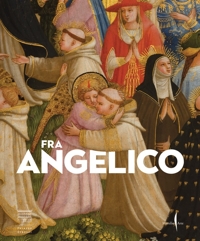
Beato Angelico. Ediz. a colori
Firenze, Palazzo Strozzi, 26 settembre 2025 - 25 gennaio 2026.
A cura di Carl Brandon Strehlke.
Testi di Stefano Casciu, Marco Mozzo, Angelo Tartuferi.
Venezia, 2025; cartonato, pp. 440, 300 ill. col., cm 25,2x29,8.
prezzo di copertina: € 80.00
|
Libri compresi nell'offerta:
Beato Angelico. Ediz. a colori
Firenze, Palazzo Strozzi, 26 settembre 2025 - 25 gennaio 2026.
A cura di Carl Brandon Strehlke.
Testi di Stefano Casciu, Marco Mozzo, Angelo Tartuferi.
Venezia, 2025; cartonato, pp. 440, 300 ill. col., cm 25,2x29,8.
OMAGGIO (prezzo di copertina: € 80.00)
Marche e Toscana. Terre di grandi maestri tra Quattro e Seicento
Ospedaletto, 2007; ril., pp. 320, ill. col., tavv. col., cm 25,5x29.
OMAGGIO (prezzo di copertina: € 77.00)
Segni dell'Eucarestia
A cura di M. Luisa Polichetti.
Ancona, Osimo, Loreto Jesi, Senigallia, Fabriano e Metelica, 23 giugno - 31 ottobre 2011.
Torino, 2011; br., pp. 221, ill. b/n e col., cm 24x28.
OMAGGIO (prezzo di copertina: € 32.00)

When Trash Becomes Art. Trash rubbish mongo
Vergine Lea
Skira
Testo Inglese.
Milano, 2007; br., pp. 176, 167 ill. b/n e col., cm 15x21.
ISBN: 88-7624-728-9 - EAN13: 9788876247286
Soggetto: Arti Grafiche (Disegno, Incisione, Miniatura),Fotografia,Pittura,Saggi (Arte o Architettura),Scultura
Periodo: 1960- Contemporaneo
Luoghi: Italia
Testo in: 
Peso: 0.5 kg
"Does trash have symbolic value? It has been said that trash represents risk and fascination, impending disaster and seduction, the beauty of the ugly and the memory of man... Recognizing the inherent worth of trash and assigning it a value through the use of art is therefore a significant phenomenon, albeit a complex and somewhat convoluted one. The very paradoxes contained in the nature of garbage smudge the lines of demarcation between beauty and ugliness, good and bad, useful and useless. And as much, they bear disturbing witness to humanity's need to nurture its own legacy." -Lea Vergine The result of painstaking research by Lea Vergine, this volume explores the meaning of the "trash" phenomenon in contemporary art from the early 20th century (Boccioni, Carrà, Depero, Picabia, Schwitters), through the Sixties and Seventies (Burri, Kounellis, Fontana, Vautier, Rotella, César, Arman, Manzoni, Pistoletto, Beuys, Spoerri), and up to the present (Cragg, Parmiggiani, Boltanski, Sherman, Bourgeois, Serrano, Cattelan). It examines the challenge launched by these artists, who use waste as a material for creating art.
In an era marked by great concern about the environment, the artistic use of the discarded object expresses the alienation and distress that appear to be eroding the wantonly consumeristic social model represented by the West. Recovering and preserving refuse is a means of trying to hold on to it, of making it survive by saving it from a void, from being nothing, from the dissolution to which it is destined; it is about the desire to leave a mark, a trace, a clue for those who remain, hence touching a dimension that is psychological as well as political.

Klimt, Schiele, Kokoschka e il corpo nell'arte contemporanea

Gli occhi dell'arte. Scritti, studi e opere in onore di Ferdinando Peretti. Ediz. italiana e inglese
Guerra e resistenza. Tra fame, razionamenti e borsa nera: l'incognita costante del mangiare
Folklands. Montagne, foreste, oceani e deserti attraverso simboli, miti, leggende e folklore
Museo della Ceramica Contemporanea Mediterranea di Cava de' Tirreni. Ediz. a colori
Nel segno di Venezia. La donazione Alessandro Favaretto Rubelli
Klimt, Schiele, Kokoschka e il corpo nell'arte contemporanea
Conte e Mattarella. Sul palcoscenico e dietro le quinte del Quirinale. Un racconto sulle istituzioni
