






 NOVITA' ARTE
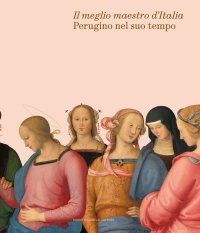
Perugino e il Suo Tempo. "Il Meglio Maestro d'Italia"
Perugia, Galleria Nazionale dell'Umbria, 4 marzo - 11 giugno 2023.
A cura di Picchiarelli V. e Pierini M.
Milano, 2023; ril., pp. 592, 650 ill. col., cm 24x21.
prezzo di copertina: € 40.00
|
Libri compresi nell'offerta:
Perugino e il Suo Tempo. "Il Meglio Maestro d'Italia"
Perugia, Galleria Nazionale dell'Umbria, 4 marzo - 11 giugno 2023.
A cura di Picchiarelli V. e Pierini M.
Milano, 2023; ril., pp. 592, 650 ill. col., cm 24x21.
OMAGGIO (prezzo di copertina: € 40.00)
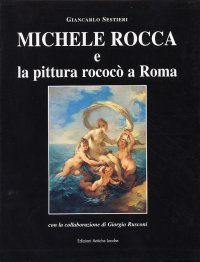
Michele Rocca e la pittura rococo a Roma
Brescia, 2004; ril. in cofanetto, pp. 310, ill. b/n e col., tavv., cm 24,5x31,5.
OMAGGIO (prezzo di copertina: € 180.00)
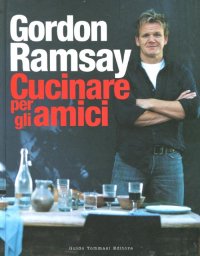
Cucinare per gli amici
Traduzione di S. Mancuso.
Milano, 2012; ril., pp. 269, ill., cm 21x26,5.
(Gli Illustrati).
OMAGGIO (prezzo di copertina: € 29.90)
Verstorbenendarstellungen Auf Frühchristlichen Sarkophagen
Studer-Karlen M.
Brepols Publishers
Testo Tedesco.
Turnhout, 2012; br., pp. 264, ill. b/n, cm 24x28.
ISBN: 2-503-54274-3 - EAN13: 9782503542744
Soggetto: Saggi e Studi sull'antichità,Scultura
Periodo: 0-1000 (0-XI) Antico
Testo in: 
Peso: 0.98 kg
These representations of the deceased on the Christian sarcophagi can be divided into two groups: the first imported from pagan tradition and partly reinterpreted; the second group is made up of new images create by an innovative higher class. Like the majority of researchers, I believe that the majority of sarcophagi, apart for the more simple ones or of less quality, were carried out on order.
An important result of this study is the following observation: the images of the deceased are more often reproduced on the Christian sarcophagi than on the pagan ones. The first cause of this phenomenon was the dissatisfaction relative to the resulting biblical topic images illustrated on the sarcophagi and the will to establish a closer link with this set of themes. The proximity of the deceased with the protagonists of a scene, and by this skew the coherence of the contents, is an essential concern in these representations. The influence of this concern on the iconographic choice made by the client is more perceptible on Christian tombs than on pagan ones. This phenomenon is expressed through the creation of a new iconography, which is explained by the desire of the close relations of the deceased or the client placing the order to represent the deceased in a context expressing the firm belief in a life after death. Accordingly, the visibility or the invisibility of these images is not important. If the representations were visible, they were used to give comfort. If not, we know that they were at least visible at the time of the funeral.

Pietro Bellotti Detto Canaletty. Un Vedutista Veneziano nella Francia dell'Ancien Régime
Luoghi Magici di Bologna. Vol. 1: la Piazza e i Suoi Simboli Segreti
Officina Zanon 1946-2026. 80 anni di sapere artigiano-80 Years of craft knowledge. Ediz. bilingue

Dromos. Libro periodico di architettura. (2026). Vol. 15: Post-model
Conte e Mattarella. Sul palcoscenico e dietro le quinte del Quirinale. Un racconto sulle istituzioni
