






 NOVITA' ARTE
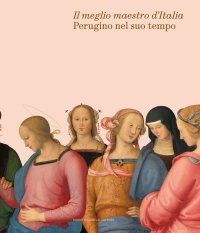
Perugino e il Suo Tempo. "Il Meglio Maestro d'Italia"
Perugia, Galleria Nazionale dell'Umbria, 4 marzo - 11 giugno 2023.
A cura di Picchiarelli V. e Pierini M.
Milano, 2023; ril., pp. 592, 650 ill. col., cm 24x21.
prezzo di copertina: € 40.00
|
Libri compresi nell'offerta:
Perugino e il Suo Tempo. "Il Meglio Maestro d'Italia"
Perugia, Galleria Nazionale dell'Umbria, 4 marzo - 11 giugno 2023.
A cura di Picchiarelli V. e Pierini M.
Milano, 2023; ril., pp. 592, 650 ill. col., cm 24x21.
OMAGGIO (prezzo di copertina: € 40.00)
Michele Rocca e la pittura rococo a Roma
Brescia, 2004; ril. in cofanetto, pp. 310, ill. b/n e col., tavv., cm 24,5x31,5.
OMAGGIO (prezzo di copertina: € 180.00)
Cucinare per gli amici
Traduzione di S. Mancuso.
Milano, 2012; ril., pp. 269, ill., cm 21x26,5.
(Gli Illustrati).
OMAGGIO (prezzo di copertina: € 29.90)
Felsina pittrice: The Lives of Francesco Francia and Lorenzo Costa
Lorenzo Pericolo - Elizabeth Cropper
Harvey Miller Publishers
Testo Italiano e Inglese.
London, 2022; ril., pp. 488, 7 ill. b/n, 160 ill. col., cm 22x28.
(Felsina Pittrice. The Lives of the Bolognese Painters. 2,1).
collana: Felsina Pittrice. The Lives of the Bolognese Painters
ISBN: 1-912554-79-8 - EAN13: 9781912554799
Soggetto: Pittura,Pittura e Disegno - Monografie,Saggi Storici
Periodo: 1400-1800 (XV-XVIII) Rinascimento
Testo in: 

Peso: 1 kg
In Bologna, Giorgio Vasari's maniera moderna is inaugurated through the art of the goldsmith-painter Francesco Francia (c.1447-1517). Malvasia assimilates the beginning of this new era with the end of night and the crack of dawn, when never before seen colors are revealed to the eyes with extraordinary intensity. In his life of Francia, Vasari had acknowledged the role of precursor played by this Bolognese master in the history of Italian painting. By the same token, he had tarnished Francia's reputation by alleging that he had died soon after unpacking Raphael's Ecstasy of Saint Cecilia upon its arrival in Bologna. His death, Vasari insisted, was a moment of reckoning: it was then that Francia recognized his artistic inferiority and damnation with regard not only to Raphael, but also to the highest achievements of the maniera moderna. Aware of the historical validity of Vasari's account, Malvasia "lifted" it wholesale into his Felsina pittrice, but not without bringing its author to trial by examining his biased testimony in light of the rich documentary evidence he had gathered against his narrative. Equipped with the most refined tools of forensic eloquence, seething with outrage, Malvasia is at his best in challenging Vasari's historical distortions and prejudices not only in connection with Francia, but also his disciples, Timoteo Viti (1469-1523), Lorenzo Costa (1460-1535), and Giovanni Maria Chiodarolo (1480-1530). Denouncing Vasari's silence about the works and importance of Francia's progeny--in particular Giacomo (1484-1557) and Giovan Battista Francia--Malvasia explains how the activity of these masters promoted the education and social status of painters in Bologna before the foundation of the Carracci Academy in 1582. Illustrated with numerous color images (many of them taken expressly for this publication), this volume provides a critical edition and annotated translation of Malvasia's lives of Francia and his disciples, among them prominently Costa. The integral transcription (for the first time) in this volume of Malvasia's preparatory notes (Scritti originali) to the lives of Francia, Costa, and Chiodarolo presents important material that could foster the study of Bolognese painting in the age of humanism under the rulership of the Bentivoglio.

Pietro Bellotti Detto Canaletty. Un Vedutista Veneziano nella Francia dell'Ancien Régime

Aeroporto di Salerno - Pontecagnano 100 anni. Da Campo di Fortuna a Scalo Internazionale
Linear Elamite Inscriptions and Related Cuneiform Texts I. Linear Elamite Texts From Susa. Vol. 10
Gigante 2027. Catalogo nazionale delle monete italiane dal '700 alla fine della lira
Conte e Mattarella. Sul palcoscenico e dietro le quinte del Quirinale. Un racconto sulle istituzioni
