






 NOVITA' ARTE
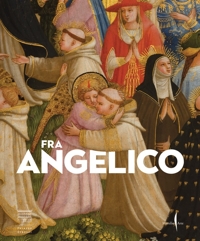
Beato Angelico
Firenze, Palazzo Strozzi, 26 settembre 2025 - 25 gennaio 2026.
A cura di Carl Brandon Strehlke.
Testi di Stefano Casciu, Marco Mozzo, Angelo Tartuferi.
Venezia, 2025; cartonato, pp. 440, 300 ill. col., cm 25,2x29,8.
prezzo di copertina: € 80.00
|
Libri compresi nell'offerta:
Beato Angelico
Firenze, Palazzo Strozzi, 26 settembre 2025 - 25 gennaio 2026.
A cura di Carl Brandon Strehlke.
Testi di Stefano Casciu, Marco Mozzo, Angelo Tartuferi.
Venezia, 2025; cartonato, pp. 440, 300 ill. col., cm 25,2x29,8.
OMAGGIO (prezzo di copertina: € 80.00)
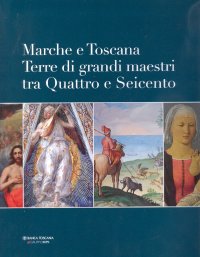
Marche e Toscana. Terre di grandi maestri tra Quattro e Seicento
Ospedaletto, 2007; ril., pp. 320, ill. col., tavv. col., cm 25,5x29.
OMAGGIO (prezzo di copertina: € 77.00)
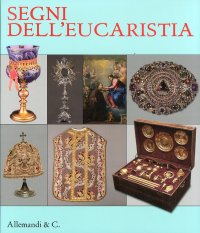
Segni dell'Eucarestia
A cura di M. Luisa Polichetti.
Ancona, Osimo, Loreto Jesi, Senigallia, Fabriano e Metelica, 23 giugno - 31 ottobre 2011.
Torino, 2011; br., pp. 221, ill. b/n e col., cm 24x28.
OMAGGIO (prezzo di copertina: € 32.00)
Cut in Alabaster. A Material of Sculpture and its European Traditions 1330-1530.
Kim W. Woods
Harvey Miller Publishers
Testo Inglese.
London, 2018; ril., pp. 418, 170 ill. col., cm 23x28,5.
(Distinguished Contributions to the Study of the Arts in the Burgundian Netherlands. 3).
collana: Distinguished Contributions to the Study of the Arts in the Burgundian Netherlands
ISBN: 1-909400-26-2 - EAN13: 9781909400269
Soggetto: Scultura
Periodo: 1000-1400 (XII-XIV) Medioevo,1400-1800 (XV-XVIII) Rinascimento
Luoghi: Europa
Testo in: 
Peso: 0.41 kg
Kim Woods is a senior lecturer in Art History at the Open University, and a specialist in northern European late Gothic sculpture. She combines an object-based approach with an interest in materials and cultural exchange. Her single-authored book, Imported Images (Donington, 2007), focussed on wood sculpture. Since then she has been working on alabaster. Her Open University distance learning materials include the Renaissance Art Reconsidered volumes (Yale, 2007) and Medieval to Renaissance (Tate publishing, 2012).

Klimt, Schiele, Kokoschka e il corpo nell'arte contemporanea

Gli occhi dell'arte. Scritti, studi e opere in onore di Ferdinando Peretti. Ediz. italiana e inglese
Armonismo. La luce precede la forma. Una teoria dello spazio tra luce, geometria e asimmetria
Passeggiate veneziane. Andar per chiese tra calli, campi e laguna
Palazzo M. Problematiche di restauro di un cantiere autarchico
Human-Centered Design. The Social Dimension of Sustainable Building Culture
Conte e Mattarella. Sul palcoscenico e dietro le quinte del Quirinale. Un racconto sulle istituzioni
