






 NOVITA' ARTE
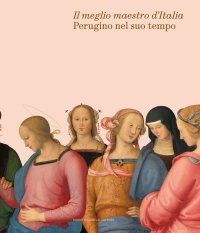
Perugino e il Suo Tempo. "Il Meglio Maestro d'Italia"
Perugia, Galleria Nazionale dell'Umbria, 4 marzo - 11 giugno 2023.
A cura di Picchiarelli V. e Pierini M.
Milano, 2023; ril., pp. 592, 650 ill. col., cm 24x21.
prezzo di copertina: € 40.00
|
Libri compresi nell'offerta:
Perugino e il Suo Tempo. "Il Meglio Maestro d'Italia"
Perugia, Galleria Nazionale dell'Umbria, 4 marzo - 11 giugno 2023.
A cura di Picchiarelli V. e Pierini M.
Milano, 2023; ril., pp. 592, 650 ill. col., cm 24x21.
OMAGGIO (prezzo di copertina: € 40.00)
Michele Rocca e la pittura rococo a Roma
Brescia, 2004; ril. in cofanetto, pp. 310, ill. b/n e col., tavv., cm 24,5x31,5.
OMAGGIO (prezzo di copertina: € 180.00)
Cucinare per gli amici
Traduzione di S. Mancuso.
Milano, 2012; ril., pp. 269, ill., cm 21x26,5.
(Gli Illustrati).
OMAGGIO (prezzo di copertina: € 29.90)
Emerging Naturalism: Contexts and Narratives in European Sculpture 1140-1220
John McNeill - Gerardo Boto Varela - Marta Serrano Coll
Brepols Publishers
Testo Inglese.
Turnhout, 2020; cartonato, pp. 436, 156 ill. b/n, 18 ill. col., cm 22x28.
ISBN: 2-503-57448-3 - EAN13: 9782503574486
Soggetto: Saggi (Arte o Architettura),Scultura
Periodo: 1000-1400 (XII-XIV) Medioevo
Testo in: 
Peso: 2.15 kg
Of the various media which were affected by artistic innovation in Europe during the second half of the 12th century, particular attention has been paid to stained glass, manuscript illumination, metalwork and enamel. Monumental sculpture was equally subject to profound change during the period, in addition to developing in directions that were largely independent of other media. As a result, late Romanesque sculpture extends across the period from 1140 to 1220, from Saxony to Galicia, though it is still impossible to encapsulate in a single statement what this complex network represented. However, the attainment of a compelling naturalism does seem to have been a shared aspiration among Latin European sculptors.
Emerging Naturalism: Contexts and Narratives in European Sculpture 1140-1220 offers a panoramic analysis of this artistic landscape, focused on a central issue in medieval European artistic production. To narrow this field of study, the book concentrates on the innovations and solutions adopted in the great church workshops of western Europe.

Pietro Bellotti Detto Canaletty. Un Vedutista Veneziano nella Francia dell'Ancien Régime
Luoghi Magici di Bologna. Vol. 1: la Piazza e i Suoi Simboli Segreti
Officina Zanon 1946-2026. 80 anni di sapere artigiano-80 Years of craft knowledge. Ediz. bilingue

Dromos. Libro periodico di architettura. (2026). Vol. 15: Post-model
Conte e Mattarella. Sul palcoscenico e dietro le quinte del Quirinale. Un racconto sulle istituzioni
