






 NOVITA' ARTE
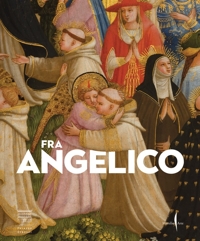
Beato Angelico. Ediz. a colori
Firenze, Palazzo Strozzi, 26 settembre 2025 - 25 gennaio 2026.
A cura di Carl Brandon Strehlke.
Testi di Stefano Casciu, Marco Mozzo, Angelo Tartuferi.
Venezia, 2025; cartonato, pp. 440, 300 ill. col., cm 25,2x29,8.
prezzo di copertina: € 80.00
|
Libri compresi nell'offerta:
Beato Angelico. Ediz. a colori
Firenze, Palazzo Strozzi, 26 settembre 2025 - 25 gennaio 2026.
A cura di Carl Brandon Strehlke.
Testi di Stefano Casciu, Marco Mozzo, Angelo Tartuferi.
Venezia, 2025; cartonato, pp. 440, 300 ill. col., cm 25,2x29,8.
OMAGGIO (prezzo di copertina: € 80.00)
Marche e Toscana. Terre di grandi maestri tra Quattro e Seicento
Ospedaletto, 2007; ril., pp. 320, ill. col., tavv. col., cm 25,5x29.
OMAGGIO (prezzo di copertina: € 77.00)

Segni dell'Eucarestia
A cura di M. Luisa Polichetti.
Ancona, Osimo, Loreto Jesi, Senigallia, Fabriano e Metelica, 23 giugno - 31 ottobre 2011.
Torino, 2011; br., pp. 221, ill. b/n e col., cm 24x28.
OMAGGIO (prezzo di copertina: € 32.00)

The Gargoyles of Notre Dame. Medievalism and the Monsters of Modernity
Camille Michael
The University of Chicago Press
Testo Inglese.
Chicago, 2009; cartonato, pp. 456, 370 ill. b/n, cm 22x24.
ISBN: 0-226-09245-3 - EAN13: 9780226092454
Soggetto: Scultura
Periodo: 1000-1400 (XII-XIV) Medioevo
Luoghi: Europa
Extra: Arte Francese
Testo in: 
Peso: 1.47 kg
Most of the seven million people who visit the cathedral of Notre Dame in Paris each year probably do not realize that the legendary gargoyles adorning this medieval masterpiece were not constructed until the nineteenth century. The first comprehensive history of these world-famous monsters, "The Gargoyles of Notre Dame" argues that they transformed the iconic thirteenth-century cathedral into a modern monument. Michael Camille begins his long-awaited study by recounting architect Eugene Viollet-le-Duc's ambitious restoration of the structure from 1843 to 1864, when the gargoyles were designed, sculpted by the little-known Victor Pyanet, and installed. These gargoyles, Camille contends, were not mere avatars of the Middle Ages, but rather fresh creations - symbolizing an imagined past - whose modernity lay precisely in their nostalgia. He goes on to map the critical reception and many-layered afterlives of these chimeras, notably in the works of such artists and writers as Charles Meryon, Victor Hugo, and photographer Henri Le Secq. Tracing their eventual evolution into icons of high kitsch, Camille ultimately locates the gargoyles' place in the twentieth-century imagination, exploring interpretations by everyone from Winslow Homer to the Walt Disney Company. Lavishly illustrated with more than three hundred images of its monumental yet whimsical subjects, "The Gargoyles of Notre Dame" is a must-read for historians of art and architecture and anyone whose imagination has been sparked by the lovable monsters gazing out over Paris from one of the world's most renowned vantage points.

Klimt, Schiele, Kokoschka e il corpo nell'arte contemporanea

Gli occhi dell'arte. Scritti, studi e opere in onore di Ferdinando Peretti. Ediz. italiana e inglese
Il viaggio del sole. Alla scoperta dell'identità attraverso l'astrologia umanistica
Nel segno di Venezia. La donazione Alessandro Favaretto Rubelli
Klimt, Schiele, Kokoschka e il corpo nell'arte contemporanea
Conte e Mattarella. Sul palcoscenico e dietro le quinte del Quirinale. Un racconto sulle istituzioni
