






 NOVITA' ARTE
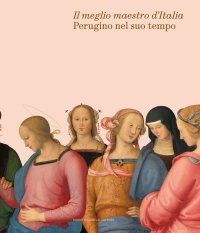
Perugino e il Suo Tempo. "Il Meglio Maestro d'Italia"
Perugia, Galleria Nazionale dell'Umbria, 4 marzo - 11 giugno 2023.
A cura di Picchiarelli V. e Pierini M.
Milano, 2023; ril., pp. 592, 650 ill. col., cm 24x21.
prezzo di copertina: € 40.00
|
Libri compresi nell'offerta:
Perugino e il Suo Tempo. "Il Meglio Maestro d'Italia"
Perugia, Galleria Nazionale dell'Umbria, 4 marzo - 11 giugno 2023.
A cura di Picchiarelli V. e Pierini M.
Milano, 2023; ril., pp. 592, 650 ill. col., cm 24x21.
OMAGGIO (prezzo di copertina: € 40.00)
Michele Rocca e la pittura rococo a Roma
Brescia, 2004; ril. in cofanetto, pp. 310, ill. b/n e col., tavv., cm 24,5x31,5.
OMAGGIO (prezzo di copertina: € 180.00)
Cucinare per gli amici
Traduzione di S. Mancuso.
Milano, 2012; ril., pp. 269, ill., cm 21x26,5.
(Gli Illustrati).
OMAGGIO (prezzo di copertina: € 29.90)
Cluny and the Origins of Burgundian Romanesque Sculpture.The Architecture, Sculpture and Narrative of the Avenas Master.
Armi C. Edson
Libreria Editrice L'Erma di Bretschneider
Testo Inglese.
Roma, 2019; cartonato, pp. 124, 6 ill. b/n, 126 ill. col., cm 21,5x28.
(Bibliotheca Archaeologica. 58).
collana: Bibliotheca Archaeologica
ISBN: 88-913-1745-4 - EAN13: 9788891317452
Testo in: 
Peso: 0.77 kg
This version of the creative process at the mother church, in which the Cluniac brothers picked a local talent to carry out one of the most important sculptural commissions in Europe, differs markedly from the standard one based largely on presumed but undocumented artistic priorities of the monks. Prevailing theory assumes the monks had an international perspective when it came to art as they tried to establish at Cluny a "new Rome" as the centerpiece of their monastic empire. Rather than tap an experienced sculptor who worked in the indigenous masonry tradition, they would have looked toward foreign lands to find suitable artists who based their designs on "high" forms of art such as ivory, painting, and metalwork.

Pietro Bellotti Detto Canaletty. Un Vedutista Veneziano nella Francia dell'Ancien Régime
Luoghi Magici di Bologna. Vol. 1: la Piazza e i Suoi Simboli Segreti
Officina Zanon 1946-2026. 80 anni di sapere artigiano-80 Years of craft knowledge. Ediz. bilingue

Conte e Mattarella. Sul palcoscenico e dietro le quinte del Quirinale. Un racconto sulle istituzioni
